

- Sort by
- Date
Feel free to add tags, names, dates or anything you are looking for



Feel free to add tags, names, dates or anything you are looking for
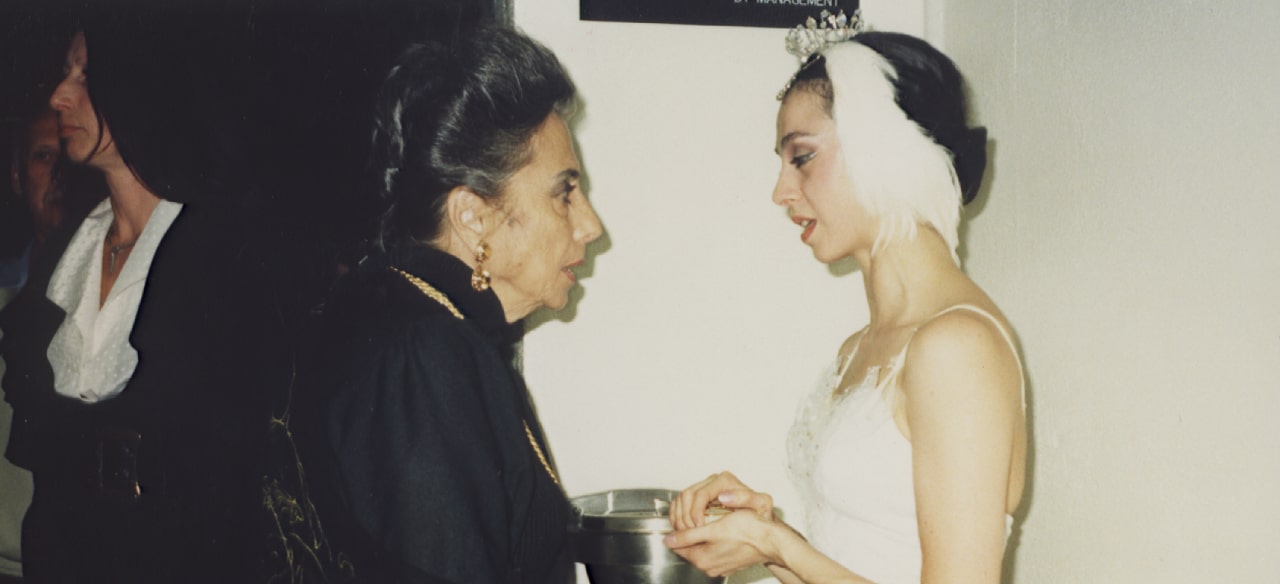
Tamara Toumanova always longed to visit Georgia, the homeland of her mother, whose family name she carried with pride throughout her life. She came into the world in unusual circumstances: her mother, Evgenia Tumanishvili, was traveling to Vladivostok in distant Siberia to join her husband, Konstantin Zakharov, a doctor of the Caucasian Military District. Tamara was born in a train carriage on the way on March 2, 1919.

New international research is bringing global attention to Georgia’s remarkable wheat heritage, revealing the earliest known evidence of soft wheat in Georgia. Alongside its 8,000-year-old winemaking tradition, Georgia’s ancient wheat tells another extraordinary story of the country’s contribution to human civilization. Music by Sukhishvilebi
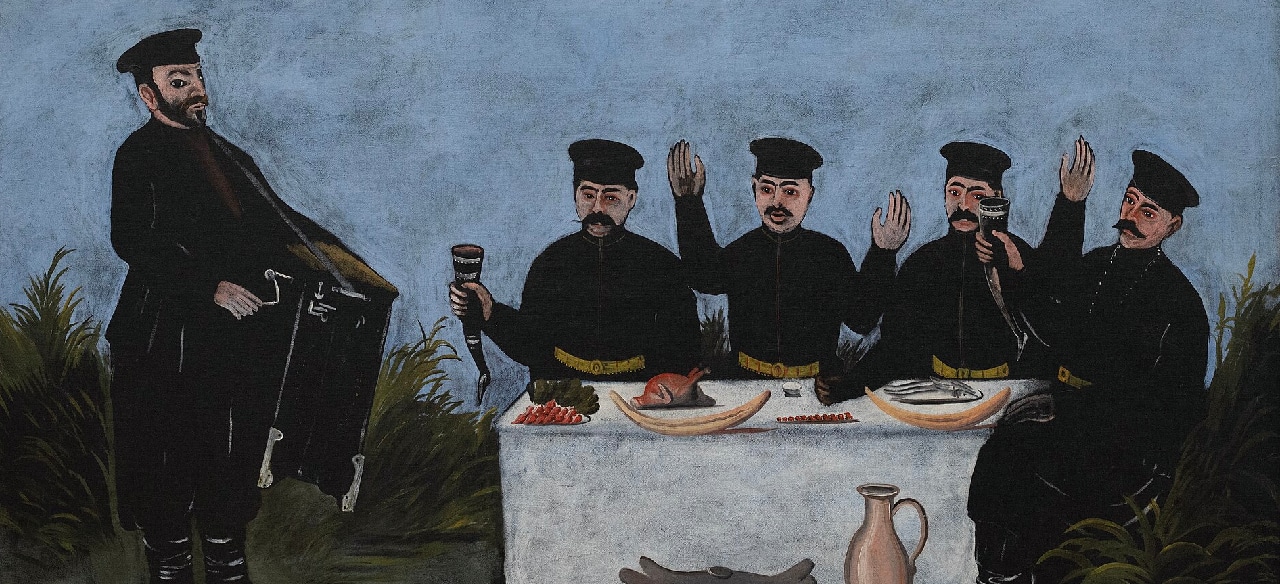
The work of the late 19th- to early 20th-century self-taught Georgian artist Niko Pirosmanashvili is among the jewels of Georgian cultural heritage. On one hand, Pirosmanashvili's legacy reflects his unique inborn talent, individual mastery and artistic individuality, while on the other his art is most often considered among the best expressions of the Georgian national aesthetic identity and its continuous artistic traditions.

Artist in focus • Giorgi (Gigo) Gabashvili / გიგო გაბაშვილი (1862-1936) was one of the founders of the Georgian academic school and easel painting. He was also the first artist in the history of Georgian art to create symbolist compositions. Gabashvili’s art is distinguished by its high level of professionalism and remarkable diversity of genres. He created portraits, landscapes, and historical-ethnographic scenes. It is remarkable that Gigo Gabashvili, the founder of the Georgian Realist School, was so deeply captivated by Symbolism. Gigo Gabashvili was not only one of the founders of Georgian Realism, but his symbolist works can also be seen as precursors to Modernism. Consequently, the origins of modern Georgian art may be moved back by at least a decade—if not by up to fifteen years—to the early twentieth century.
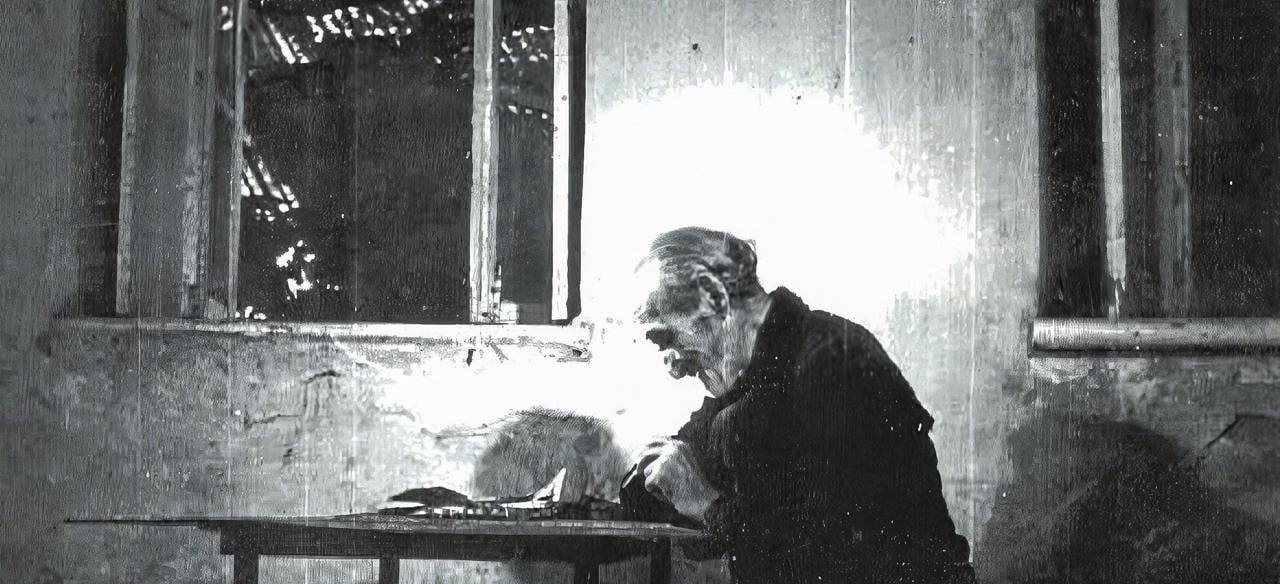
Georgian primitivism is often associated with Niko Pirosmani, although his work cannot be confined to that single category. His art engages with much broader pictorial traditions, and its uniqueness extends far beyond what is usually meant by naive or primitivist painting.
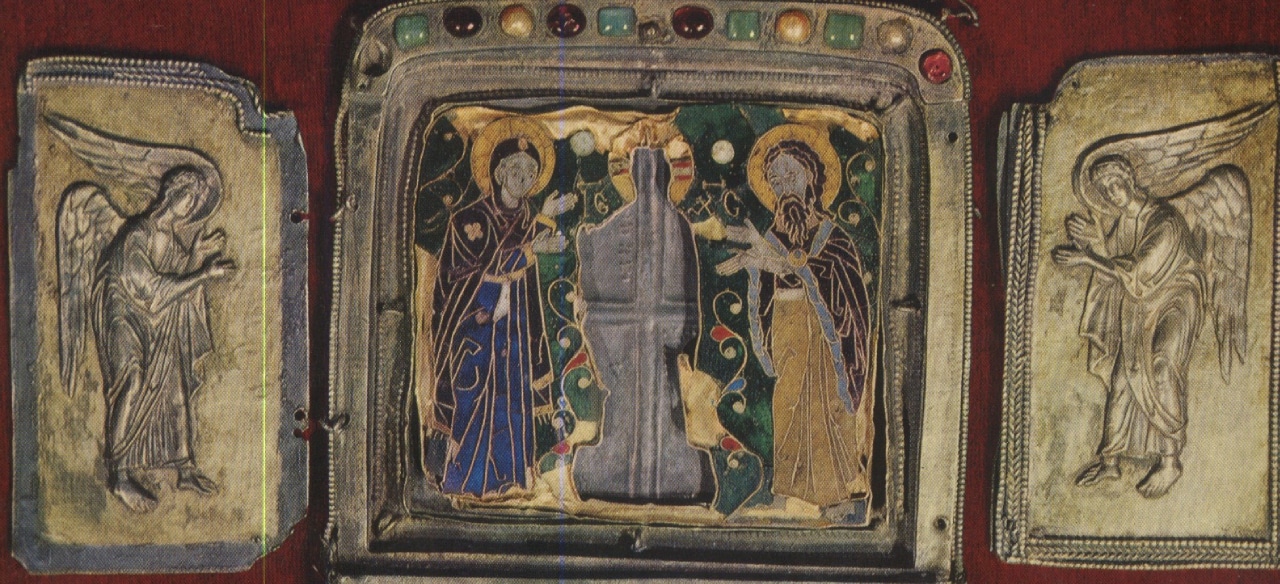
One of the earliest pieces of medieval Georgian art is the Martvili Encolpion, a miniature triptych icon dating to the 8th-9th centuries. Preserved for generations at Martvili Monastery, it is a complex work composed of three carved panels enriched with a variety of materials and techniques. Partitioned enamel, gilded silver relief figures, Gospel scenes on the reverse, and inlaid precious stones create a striking artistic whole.
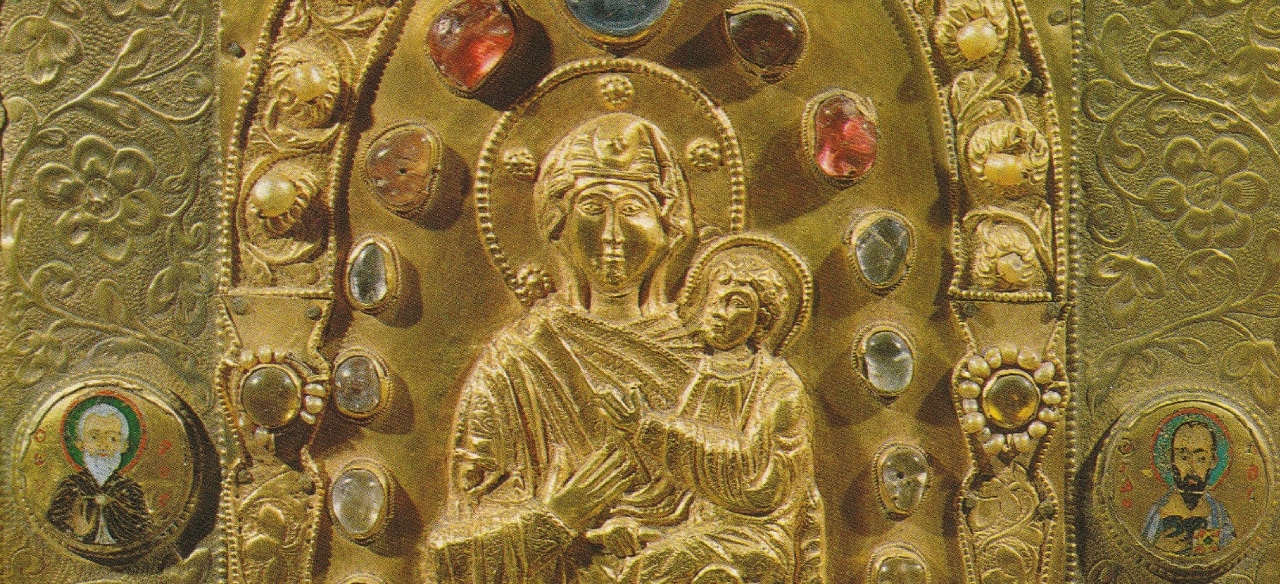
The veneration of the Mother of God in Georgia spans many centuries. The perception of the Mother of God as the protector of humankind is further deepened by the belief that she is the patron saint of the Georgian land.
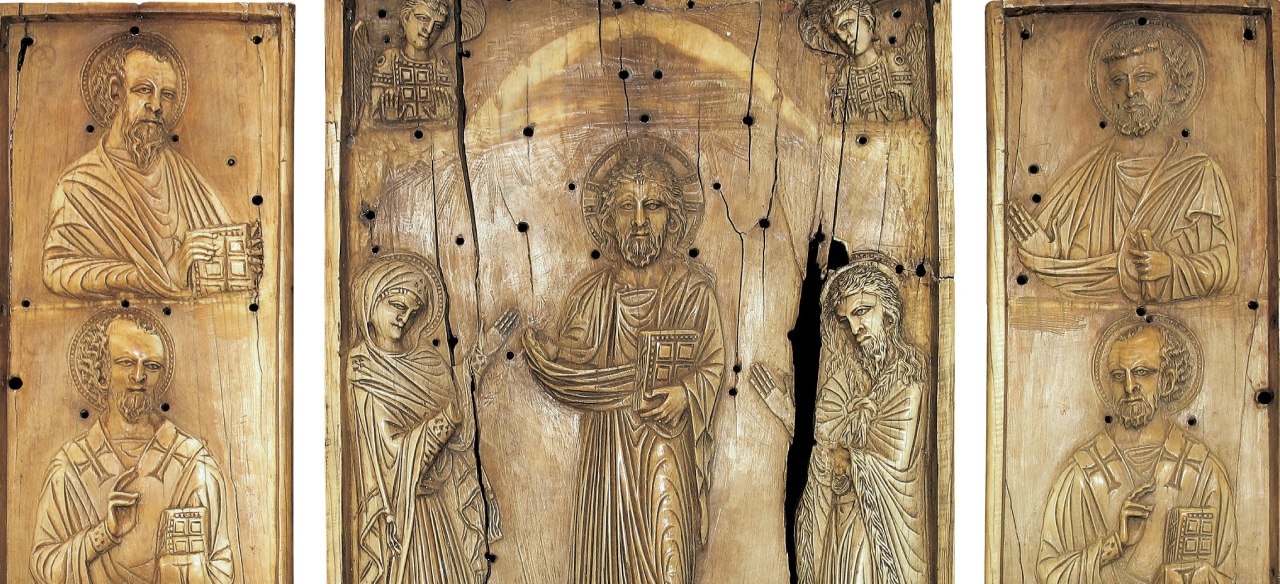
In 2001, an exceptionally valuable Georgian artefact, which had been considered lost since 1991, unexpectedly appeared at a Christie’s auction in Geneva. This outstanding ivory work, known as the Okoni Triptych Icon, had disappeared from the Tskhinvali Museum. At that time, Georgian jurisdiction no longer extended over the territory, and the loss was not officially reported by the museum.

Founded in 2019, TBILISI PIANO FEST (თბილისი პიანო ფესტი) has well established itself as the annual celebration of renowned pianists and rising stars, gathering in the capital of Georgia. Over the course of evenings residents and visitors to the Georgian capital were able to enjoy open-air performances by world-class pianists. The festival’s expanded program also featured young Georgian pianists—winners and laureates of international competitions in recent years.
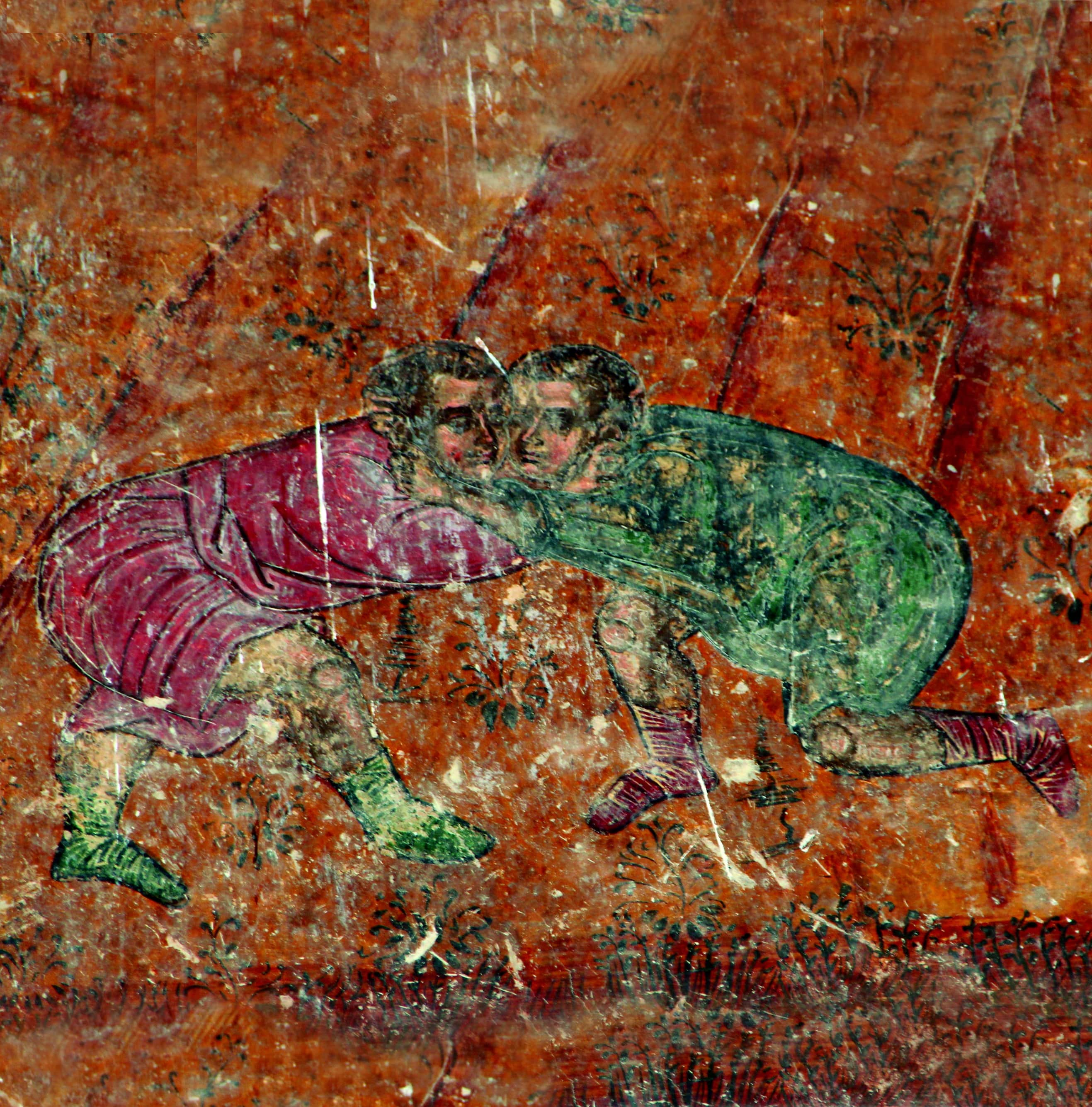
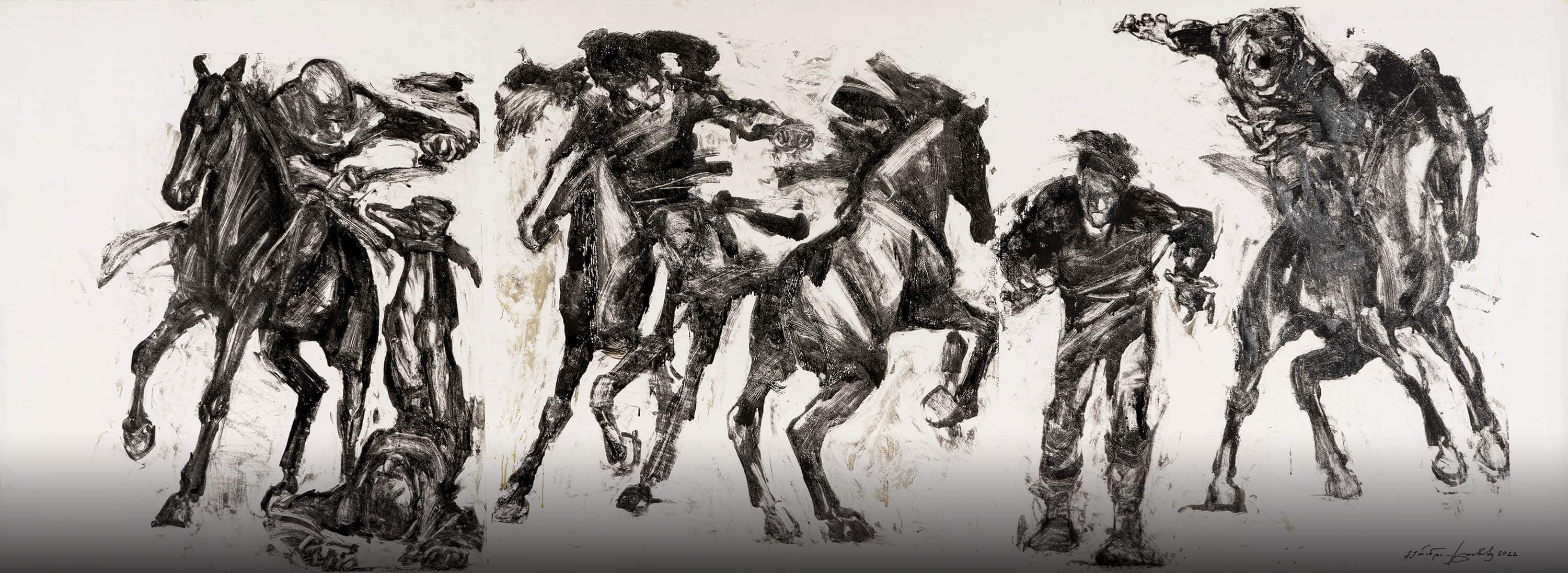
In October 2025, Tbilisi hosted the Georgian Wrestling World Championship. One hundred athletes from 25 countries around the world competed for the prestigious wrestling title. The competition featured participants from a diversity of countries, including among them Turkey, Greece, Mongolia, Egypt, Brazil, Japan, Iran, and Estonia. The celebration of this national sport culminated in a fascinating compelling master class, where Georgian wrestlers demonstrated showcased traditional techniques and unique technical aspects moves to the visiting athletes. Behind this achievement lies centuries of experience and a rich cultural heritage.
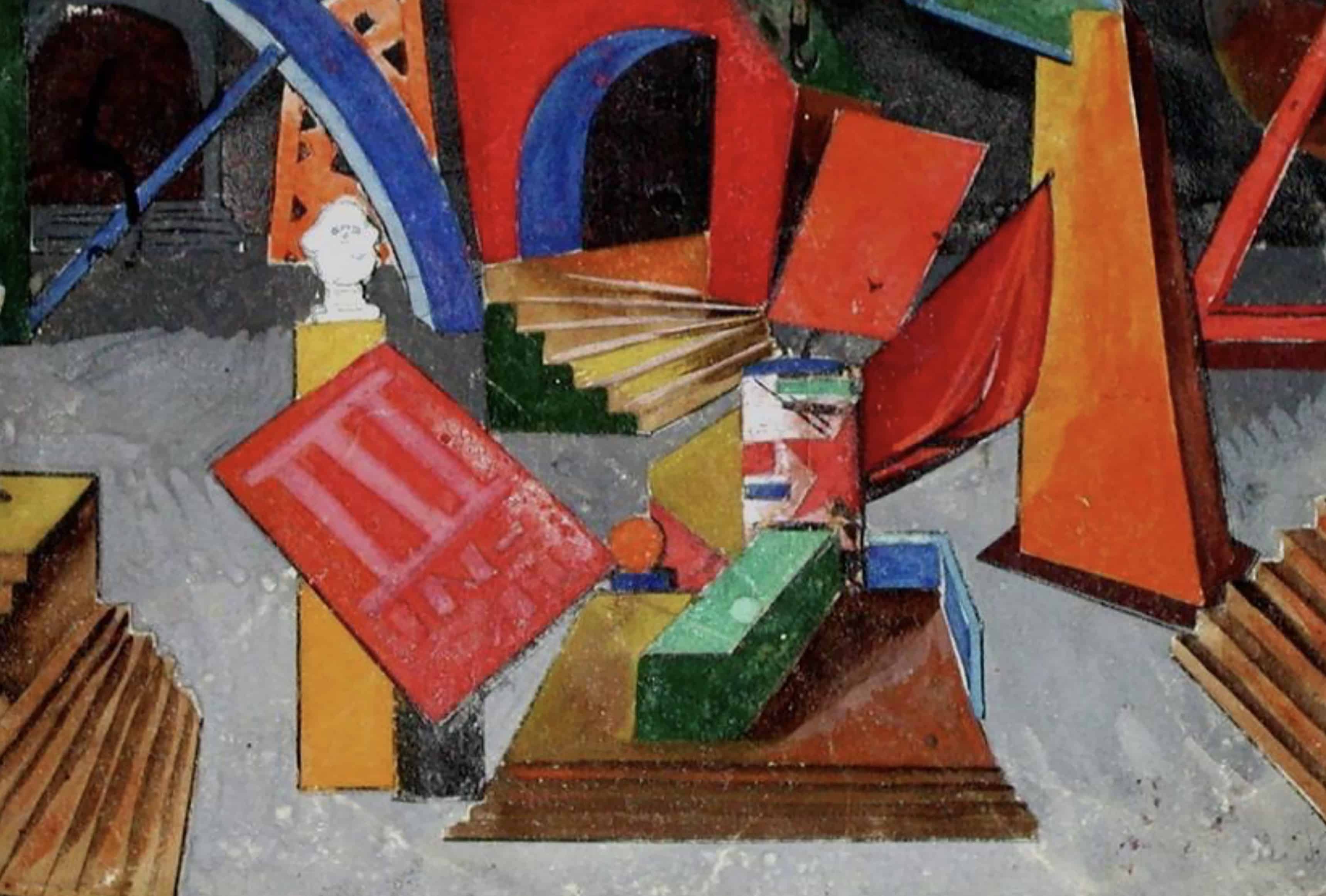
The artistic and cultural life of Tiflis¹— the capital of independent Georgia between 1918 and 1921 — represents a distinctive chapter in the history of modern Georgian art. During this period, Georgian artists actively embraced emerging Western trends, successfully transplanting them into the local cultural context. As a result, a rapid evolution took place—moving from academic art, which arrived in Georgia relatively late, to modernist forms of expression.
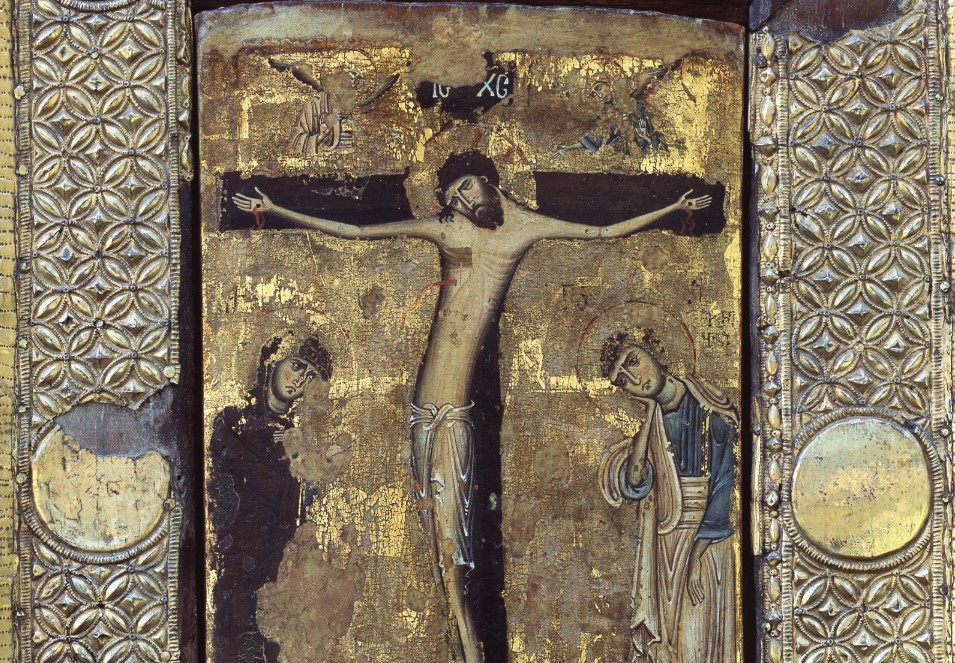
The cult of the Cross of Golgotha, the instrument of Christ’s Passion, dates back to the time of Constantine the Great (272–337), leading to the creation of various practices, including the veneration of fragments of the Golgotha Cross and the production of their reliquaries.
ATINATI’s Art Center presents Arxiwarius, a solo exhibition by Georgian artist Mamuka Tsetskhladze, featuring works created during the 1980s and 1990s.

