





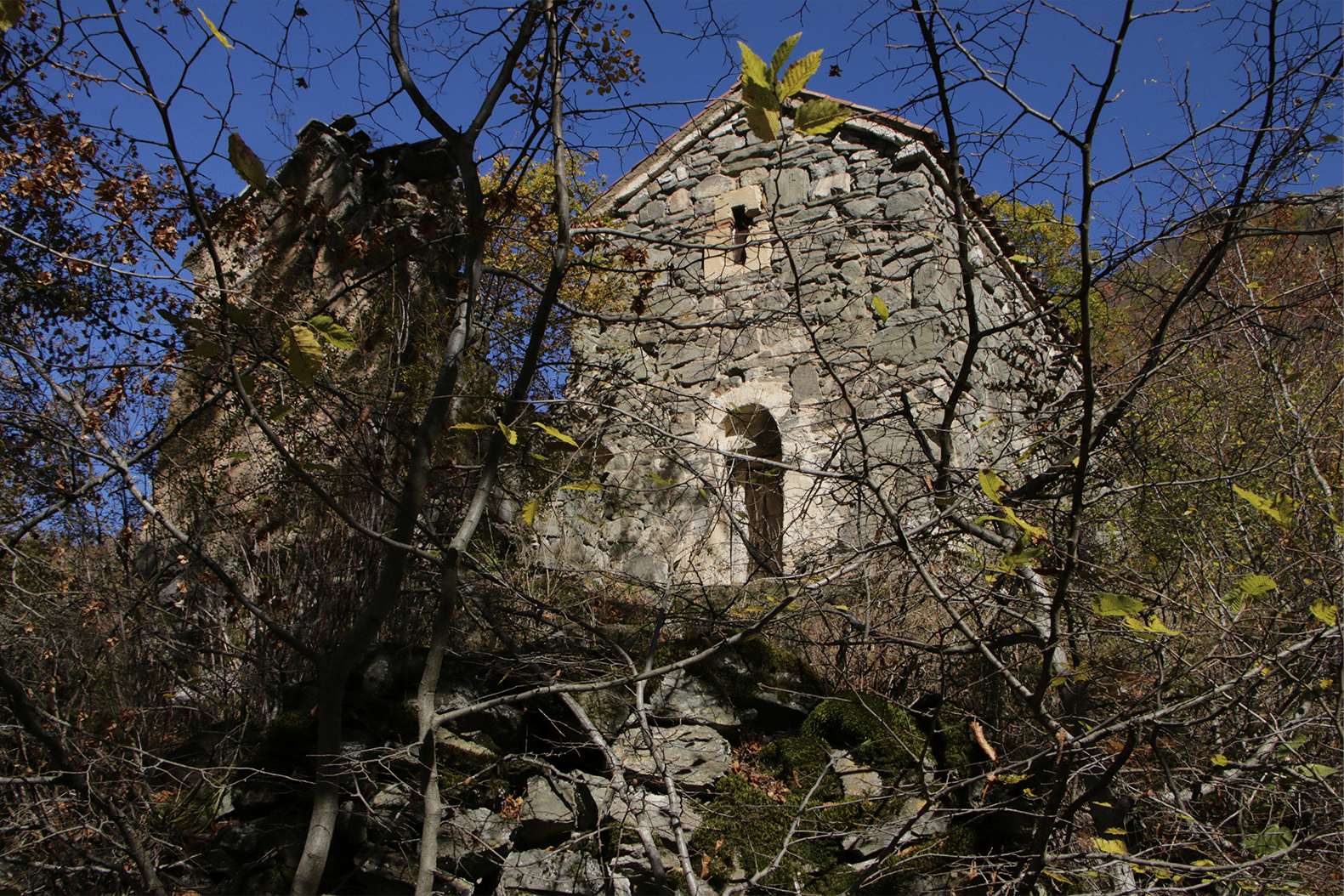
The picturesque Ateni Gorge, which once linked central Georgia with the southern regions and numerous countries beyond, among them Syria, Palestine, Armenia, Byzantine, and even Western Europe, served as a kind of “artery of civilization” throughout the Middle Ages, holding considerable strategic importance. Its economic, political, and cultural functions, together with its remarkable natural setting, contributed over centuries to the formation of a distinctive cultural landscape. This landscape encompassed a rich array of historical monuments and outstanding natural assets: royal forests, roads traversing challenging terrain, a network of fortresses guarding these routes, villages, monasteries, and churches, medieval inns and caravanserais serving pilgrims and travelers, as well as an integrated system of mills, wine cellars, irrigation canals, and terraced vineyards. Together, these elements constitute a heritage complex of exceptional natural and cultural value. The principal monument of the gorge, Ateni Sioni Church, one of the most significant and canonical examples of Georgian architecture and mural painting, is well studied and widely known. The same, however, cannot be said of other valuable sites throughout the gorge.
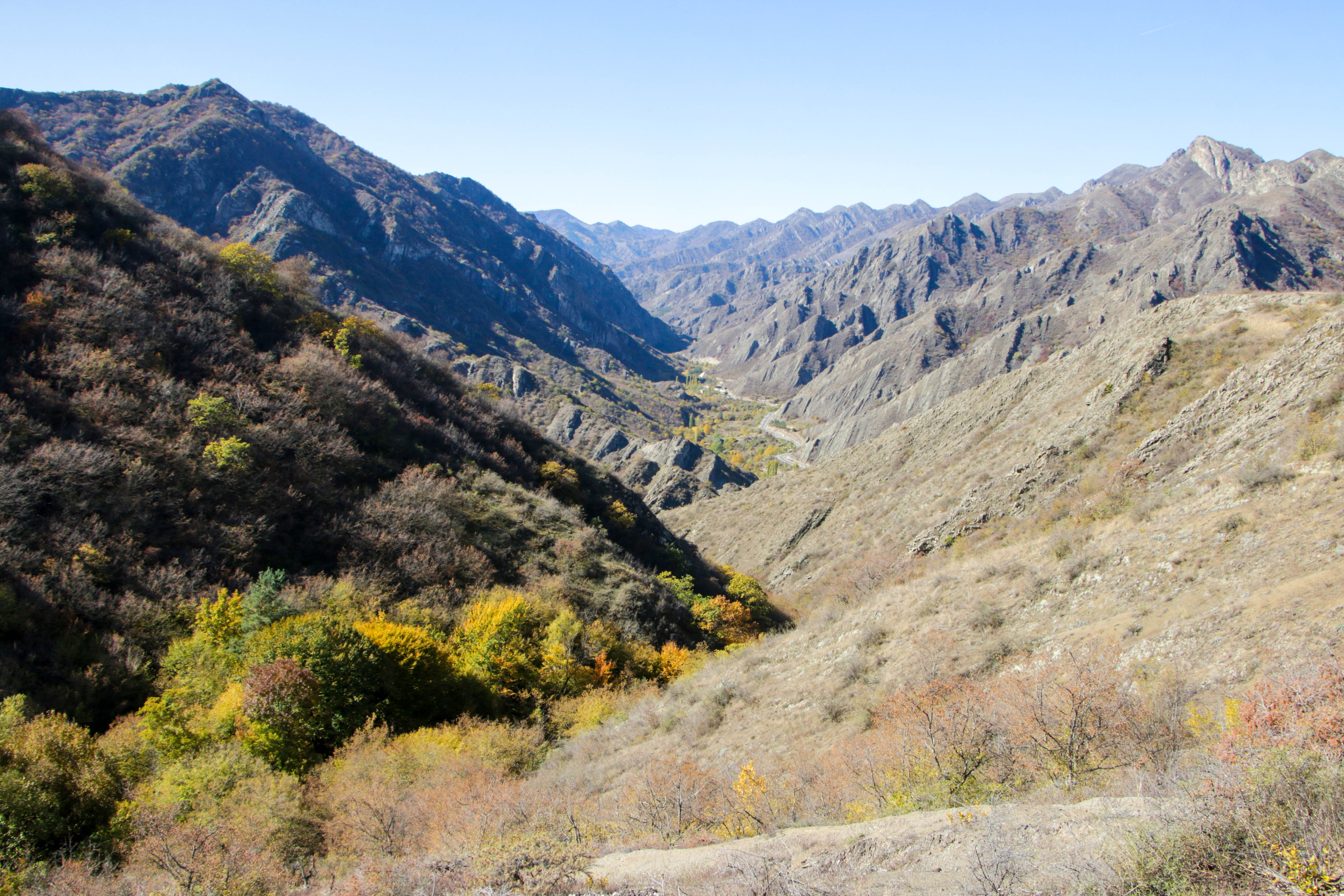
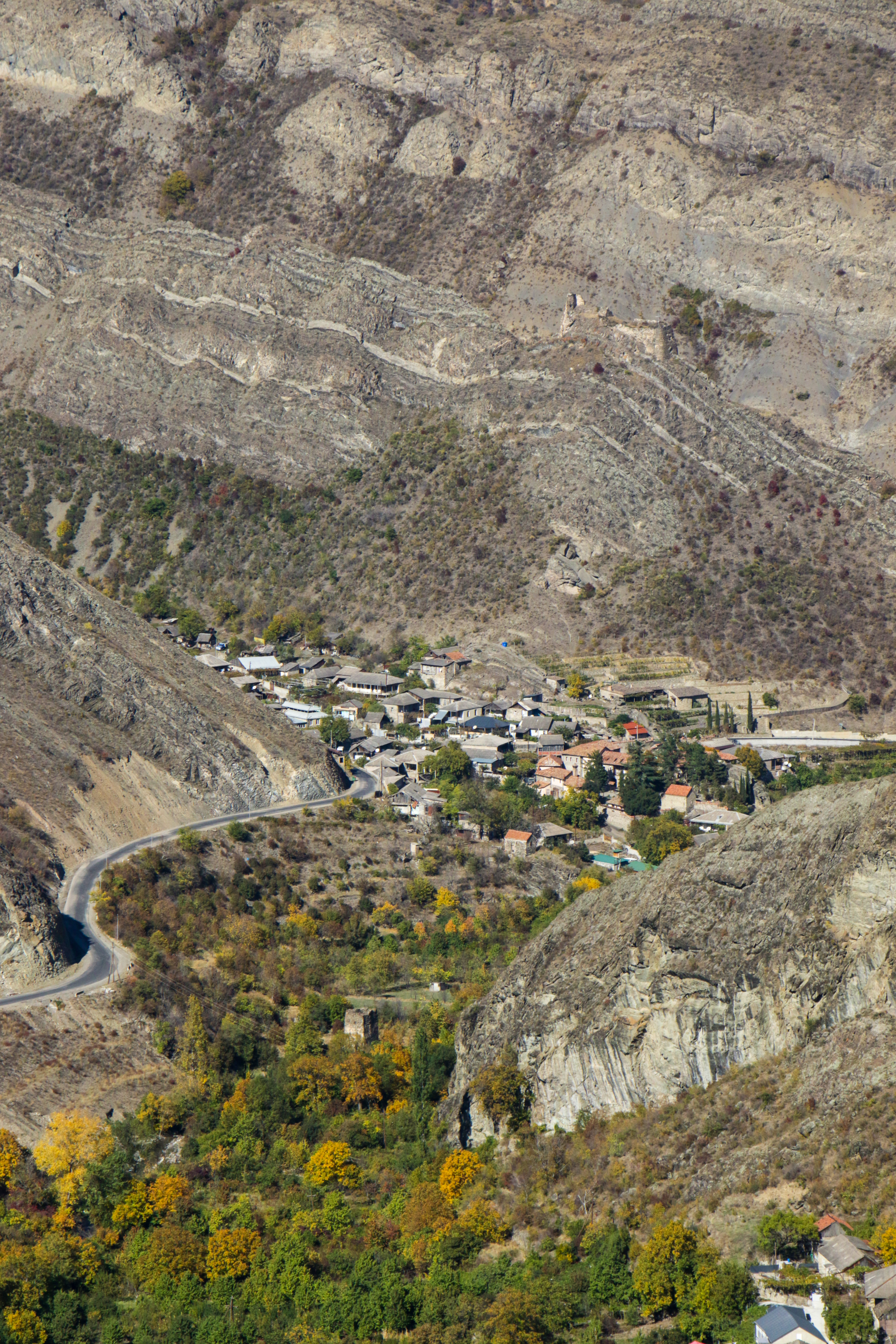
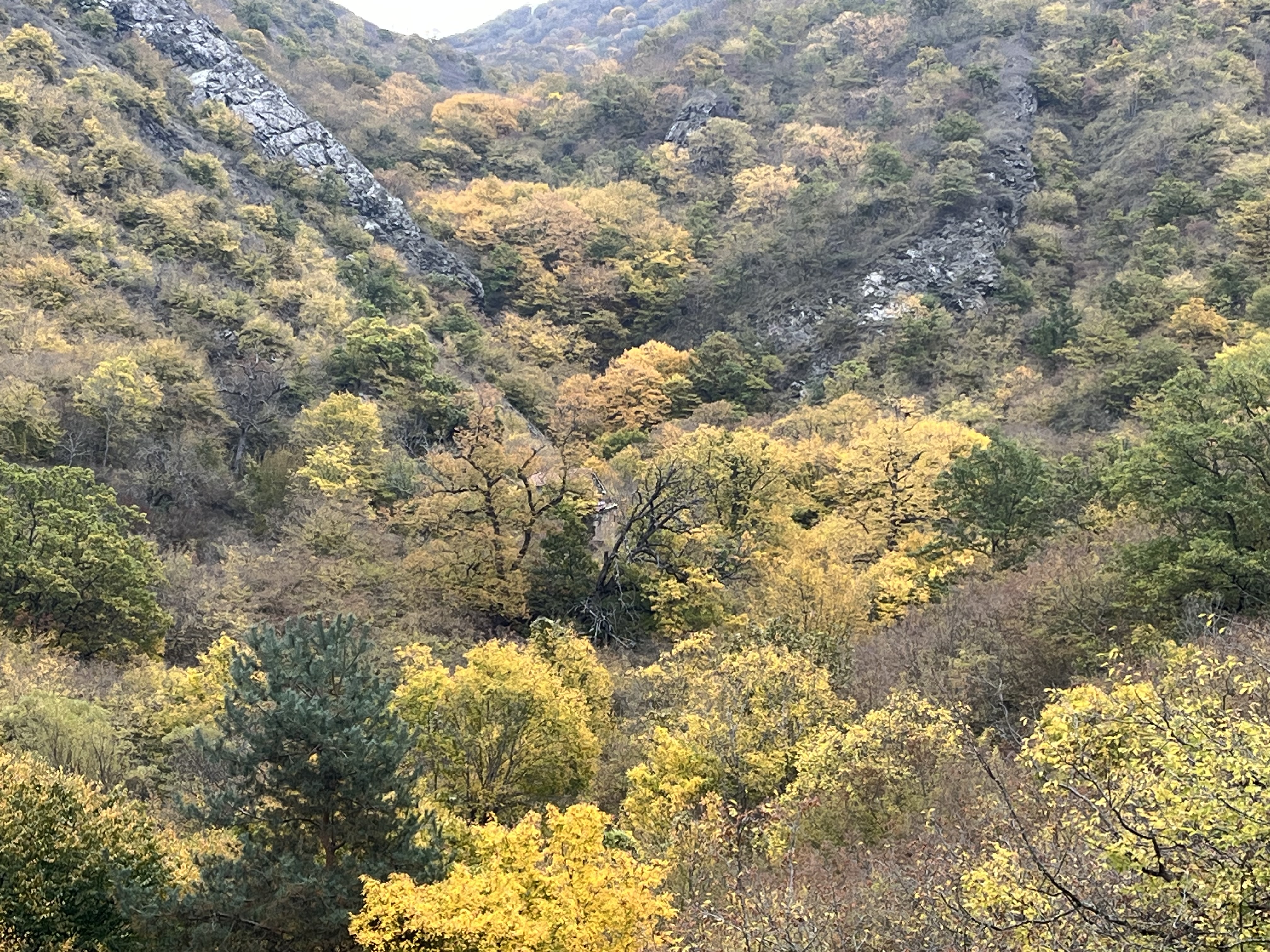
One such monument is the Church of St. John the Baptist at Ateni, situated two kilometers southwest of Ateni Sioni, in a narrow gorge, and distinguished by its significant historical and artistic value.
The path leading from Sioni to the monastery ascends through rugged terrain, winding its way among rocky outcrops and mixed woodland. From early times, it was adapted into a cart road: even today, one can see the retaining walls built along this elevated route, the supporting structures stabilizing the mountainside, and, at its upper reaches, a series of terraces created for farming. These terraces were irrigated by a spring that flows here, in the shade of large trees. The importance of both the road and the monastery is further evidenced by the remains of a watchtower standing on a nearby isolated crag, from which the entire valley can be seen. As part of a broader defensive system, this tower not only guarded the monastery but also served to control everything surrounding the gorge.
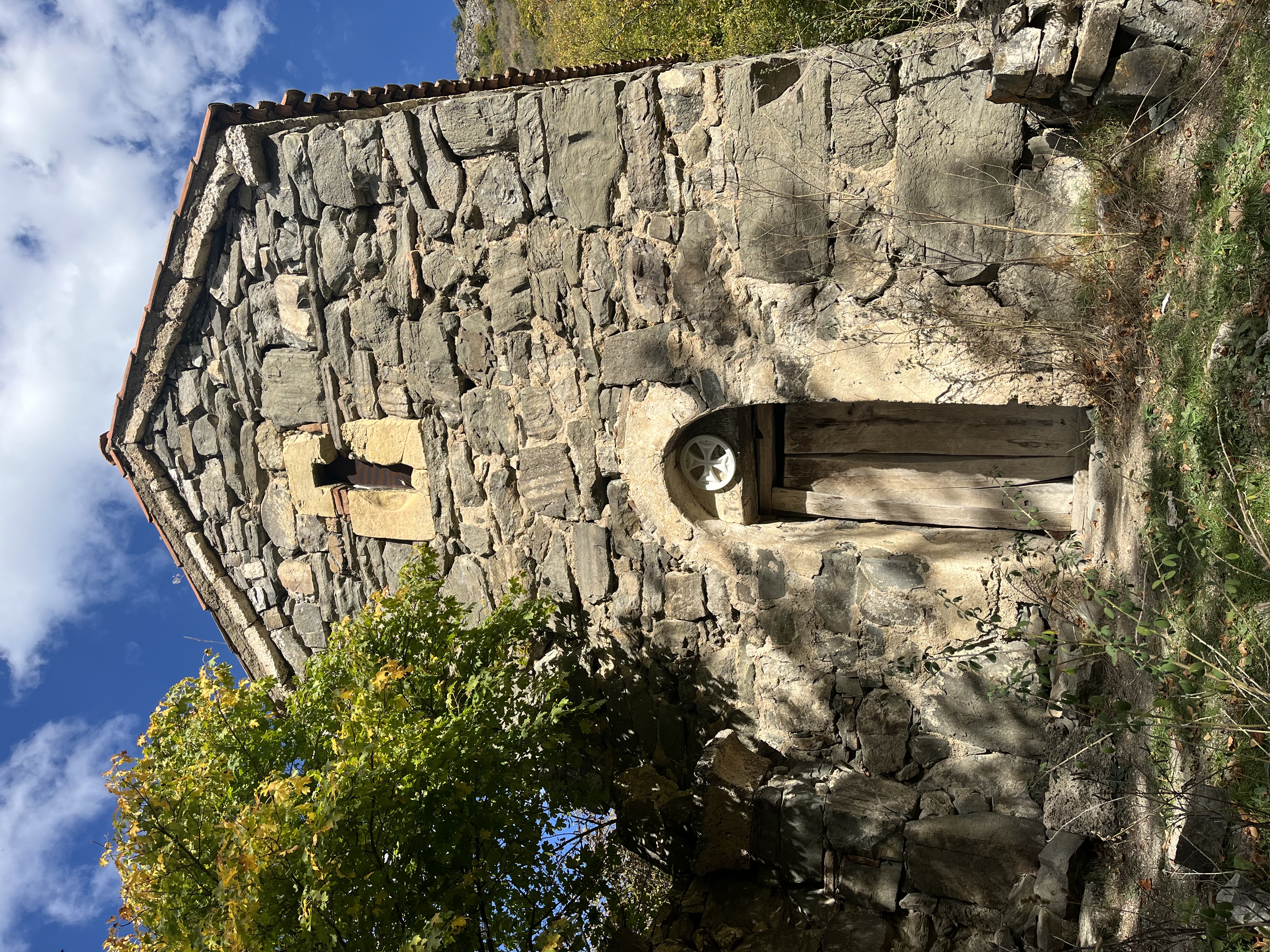
Today, the secluded and largely little-known Monastery of St. John the Baptist once formed the so-called “Upper Monastery” of Ateni Sioni. The circumstances of its “discovery” are also of particular interest. The Tani Gorge is bordered on the opposite side by the village of Khovle, where the family of the prominent Georgian historian Ivane Javakhishvili lived. Between Khovle and Ateni rises the region’s highest and most popular peak: a pyramid-like mountain crowned by the Church of St. George of Danakhvisi.
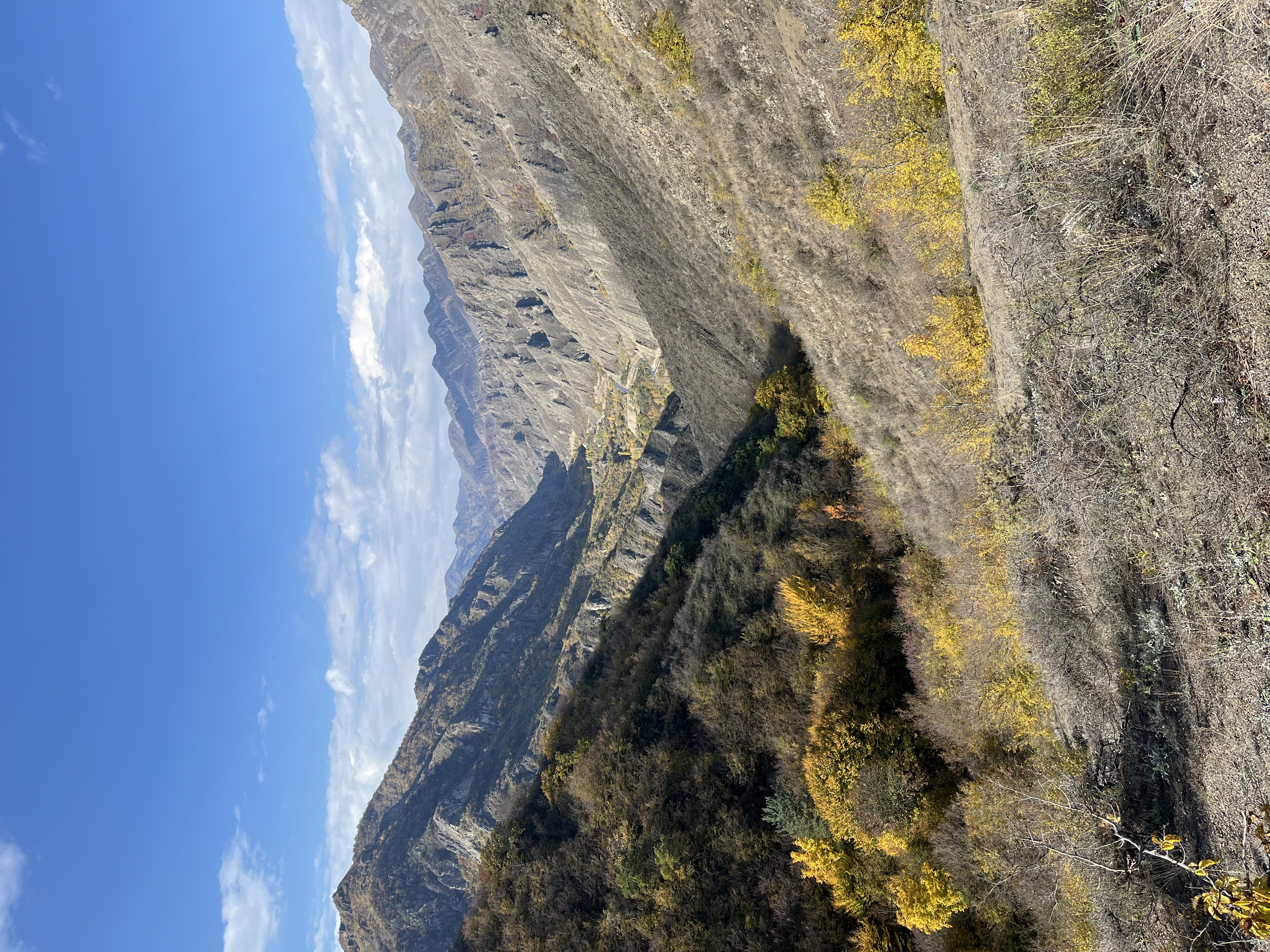
On its northern slope, concealed within the folds of the terrain, lies the Monastery of St. John the Baptist. It appears that during explorations in Khovle, the young Javakhishvili was drawn to the secluded monastery on Mount Danakhvisi. In 1907, while visiting the site, he discovered the stone base of a cross, richly decorated with arches and stylized floral motifs, and bearing a finely executed inscription. Its ornamental features and paleographic characteristics, such as elongated lines of titlo and ligatured letterforms, allow the piece to be dated to the early 7th–8th centuries. These details reflect an important stage in the development of Georgian paleography. Recognizing the significance of this artifact, Javakhishvili took steps, as soon as circumstances allowed, to ensure its preservation and scholarly study. In 1920, following the establishment of Tbilisi State University during the period of Georgian independence, the stone was transferred, on Javakhishvili’s initiative, to the university’s art collection. It was subsequently published in the Museum Bulletin. Today, it is preserved as an important exhibit in the main exposition of the Georgian National Museum.
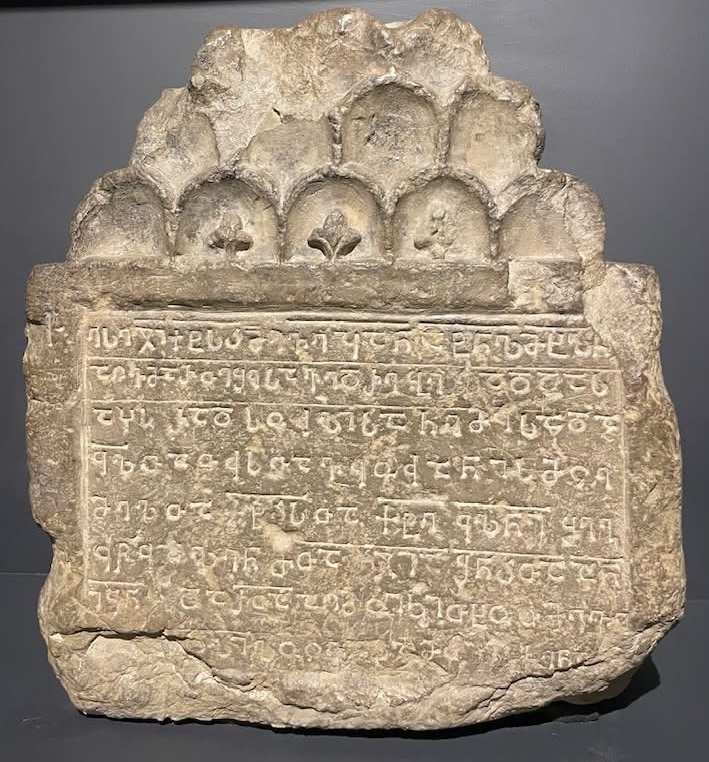
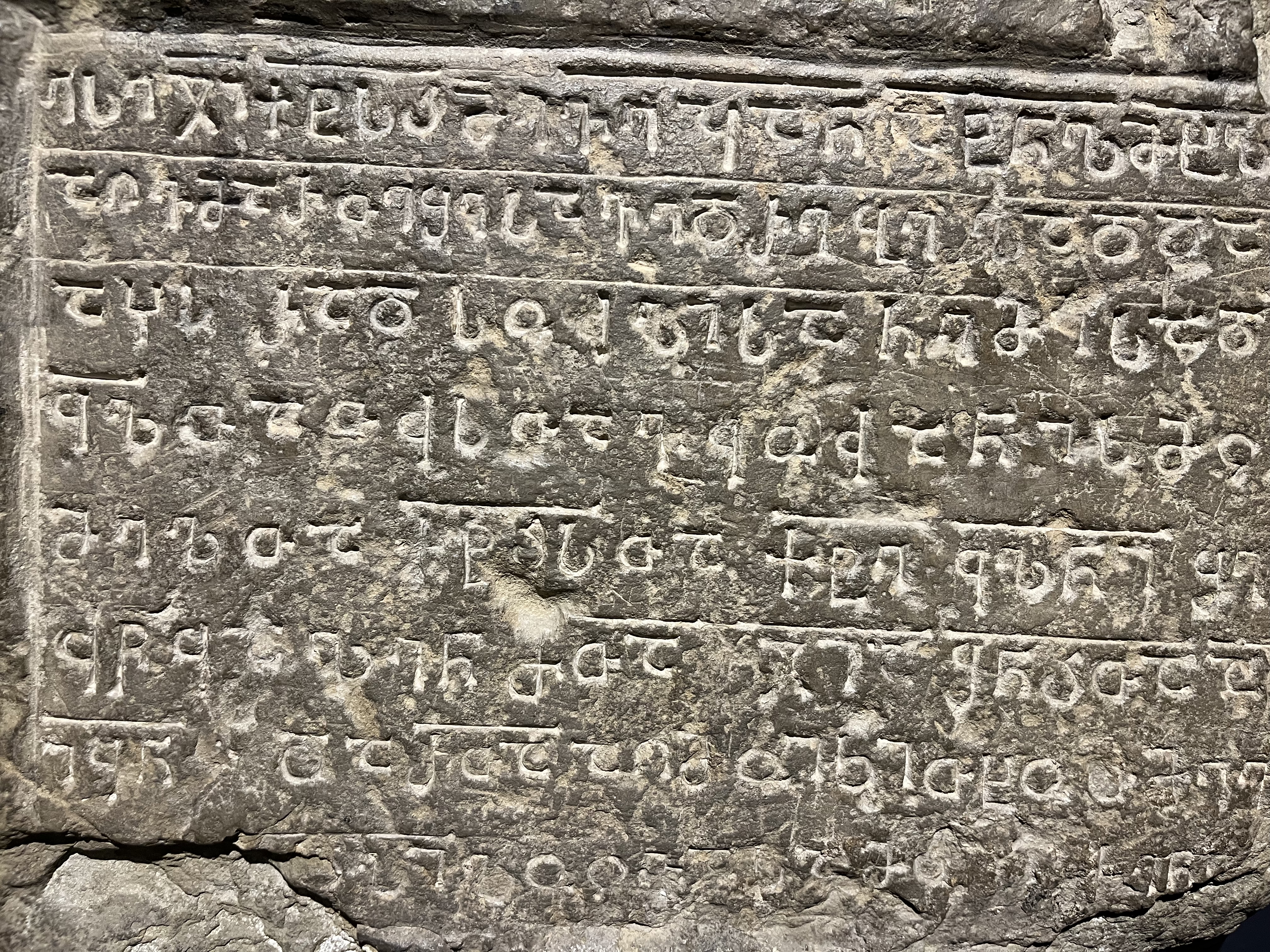
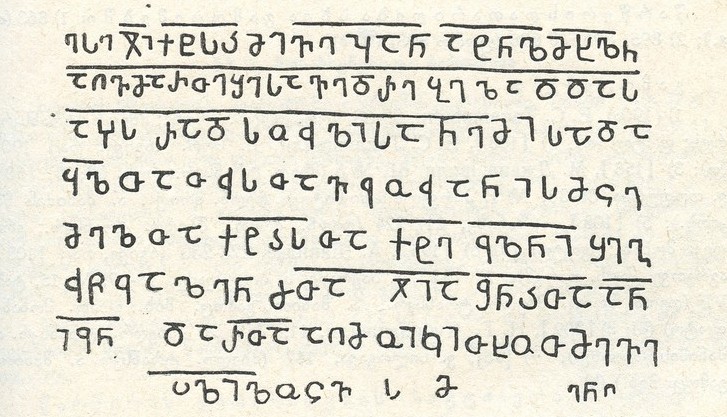
What does the inscription on the cross pedestal at the Ateni Monastery of St. John the Baptist reveal? It may be said that the history of the monastery began with this very stone. A synthesis of available sources indicates that, in the 8th century, Vejan, a representative of the Bagrationi house of Tao-Klarjeti and the mamasakhlisi (local governor) of Ateni, erected an open-air cross to mark a new meaning for the already significant road and location.
The practice of erecting a cross outdoors was rooted in Jerusalem tradition, and was particularly widespread in the regions surrounding Ateni: Trialeti, Javakheti, and Kvemo Kartli. The Veneration of the Cross and the theological theme of the “Glory of the Cross” also had a special importance in the Ateni Gorge. In this context, Ateni is plausibly seen as a symbolic reflection of Jerusalem - a kind of “Jerusalem in Georgia” - alongside the sacred city of Mtskheta. It is especially noteworthy that Ateni Sioni closely replicates the Church of the Holy Cross at Mtskheta (Jvari Monastery), itself associated with Golgotha symbolism. Moreover, elements of this “Jerusalem tradition” can also be seen in other monuments of the region.
To shelter the open-air cross, a hall church was built there in the late 9th or early 10th century, enclosing the cross within its interior. The church was ascetic: remarkably simple, yet highly expressive. Its corners were constructed of large, dark rocks quarried locally, while the walls were built of freely arranged stonework. Only the openings were carefully finished with plain yellowish-white stone. The overall proportions were carefully calibrated: vertically emphasized and, one might say, even rigid, in keeping with the powerful, almost “brutalist” impression created by the heavy stone masses. Horseshoe-shaped arches, visible at the southern and western entrances, together with the sanctuary and the main vault, reflected the aesthetic principles of 9th-century architecture. The northern annex formed a separate, more intimate space, which was spatially distinct from the main body of the church.
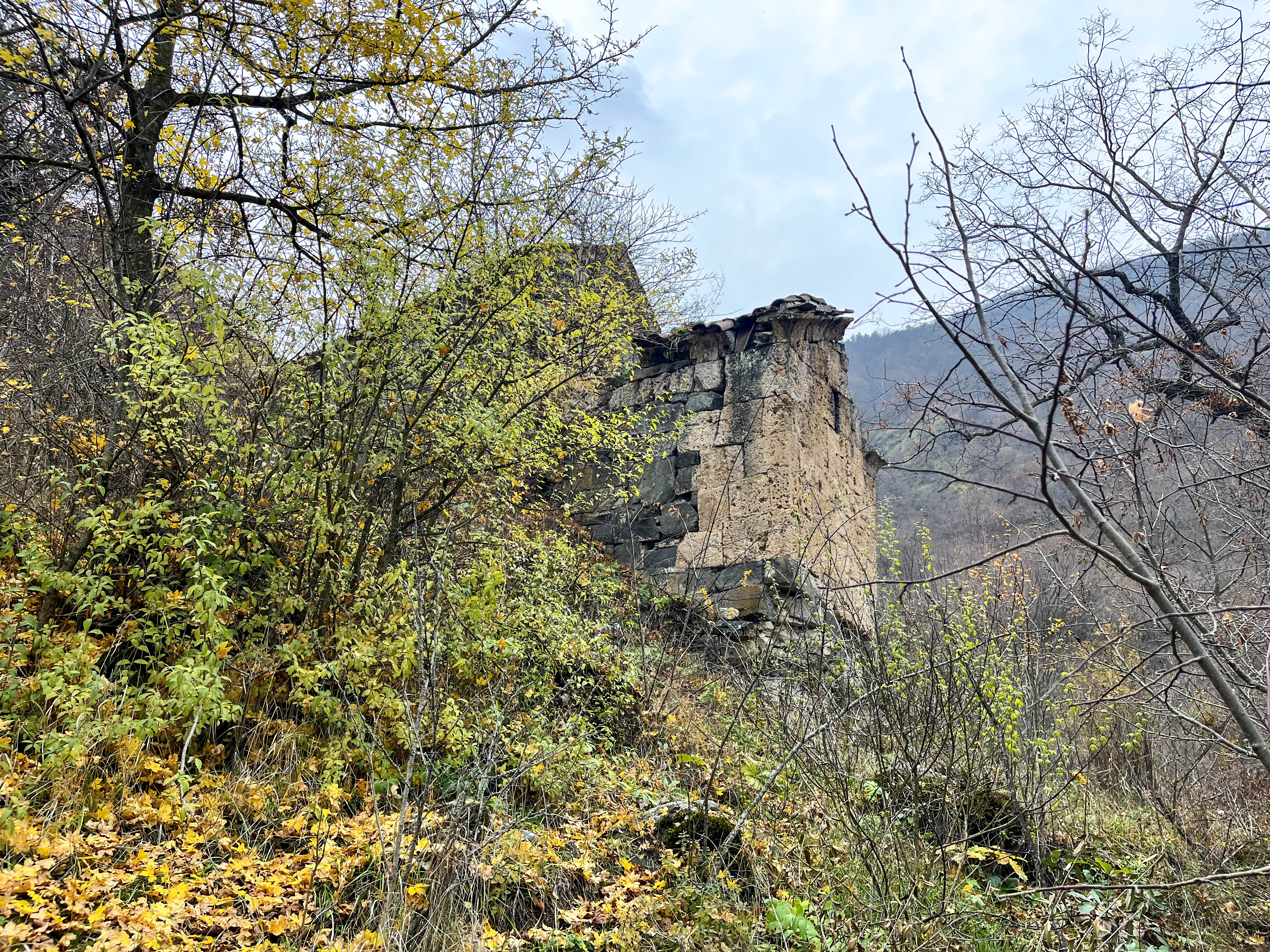
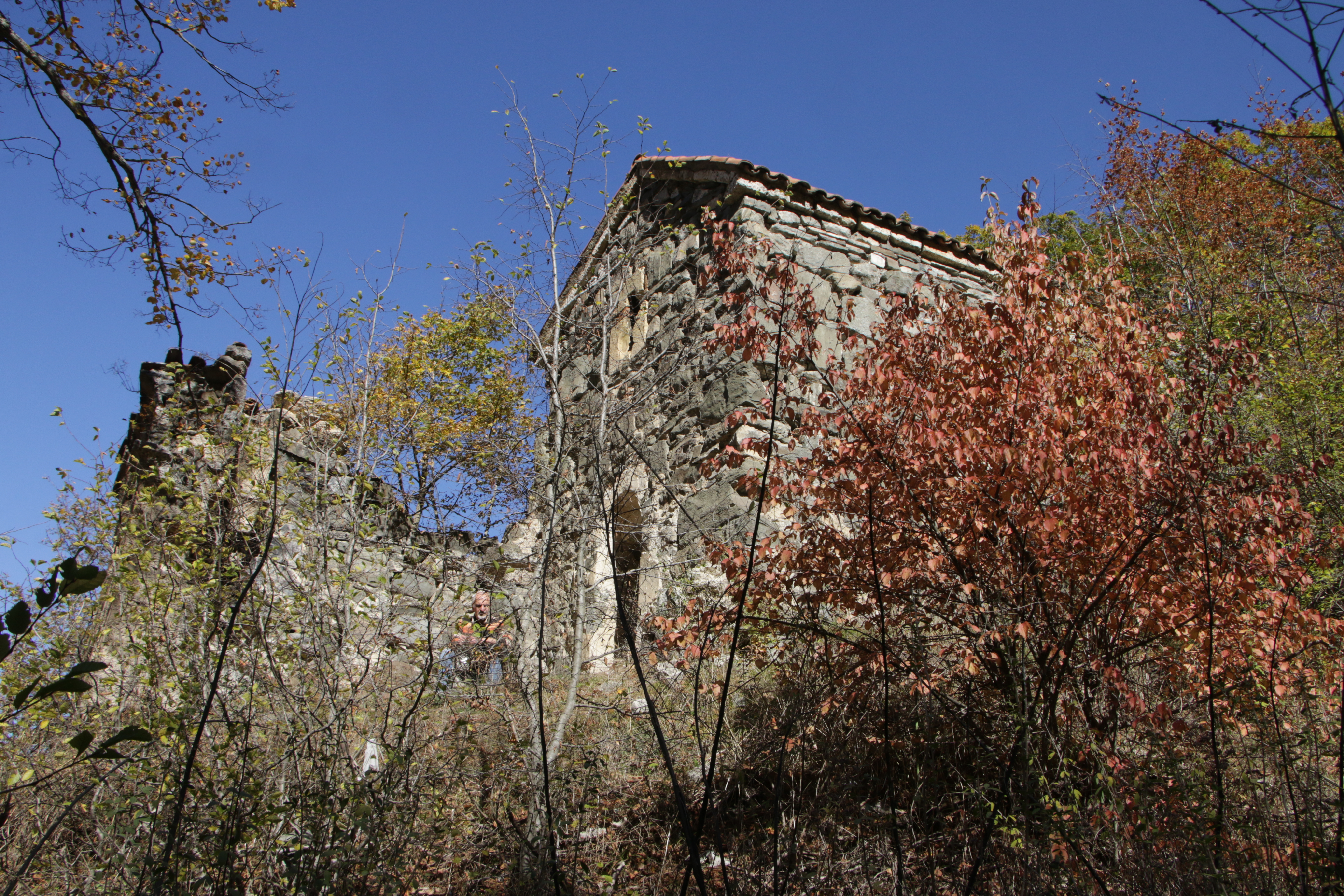
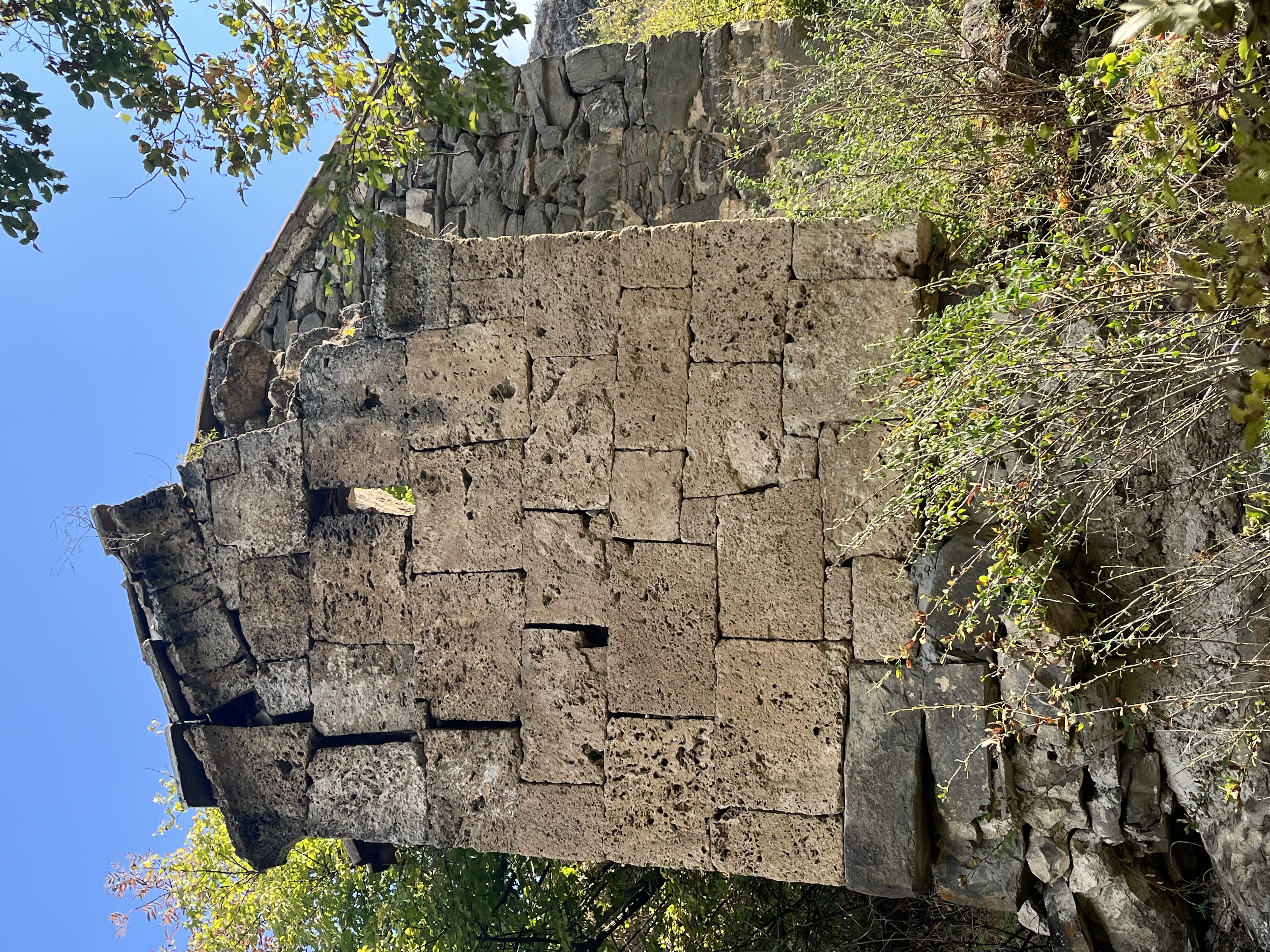
The period of Georgian Renaissance in the 12th–13th centuries did not pass without leaving a mark on the Church of St. John the Baptist. The originally ascetic structure was ceremonially embellished: the interior was refined, and the church was entirely adorned with monumental mural painting of a distinctly royal character. On the western facade, a triumphal annex was constructed using stone brought for this purpose from Shirimi. This addition is centered on a large arch, flanked symmetrically by windows on either side.
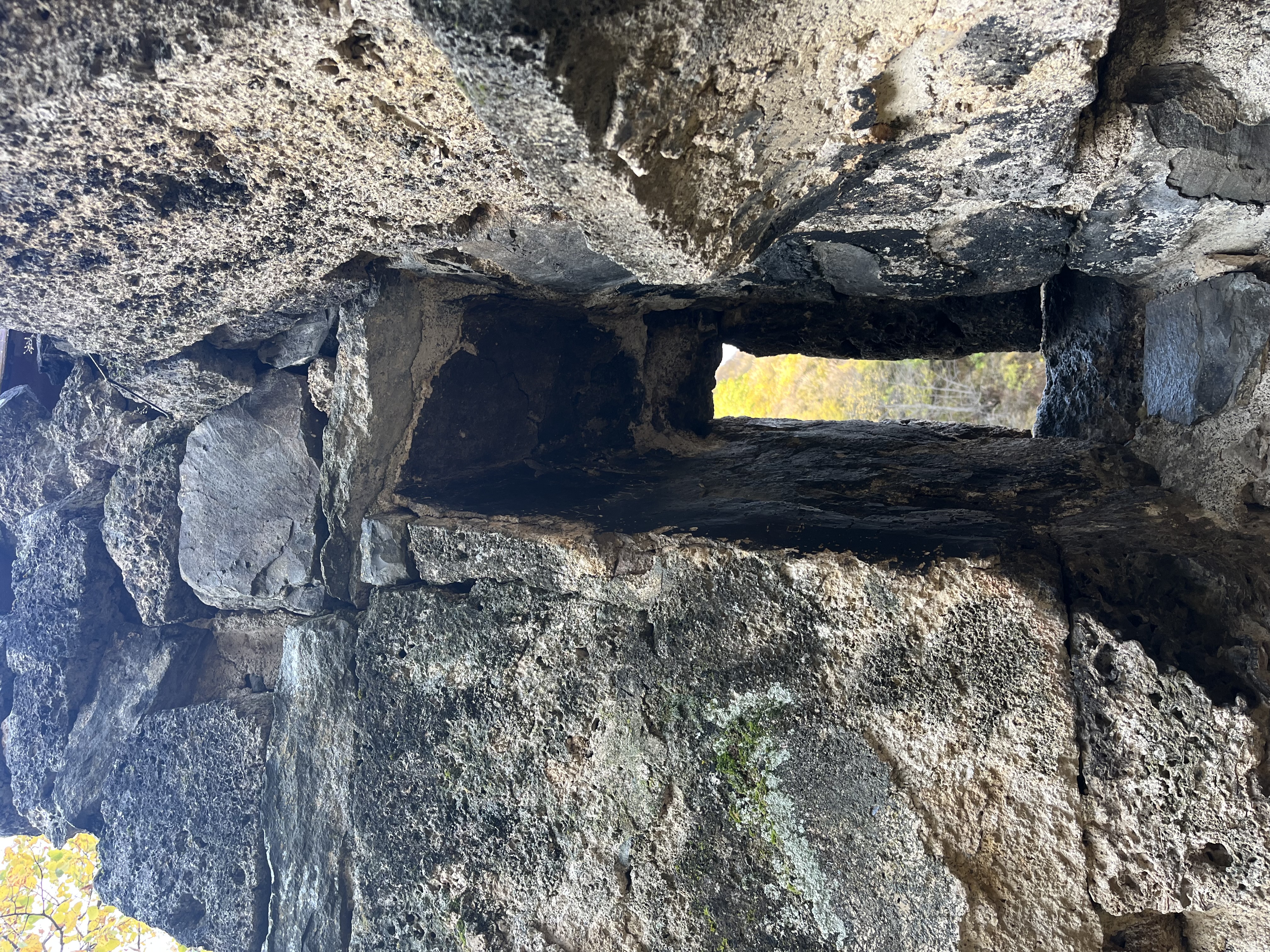
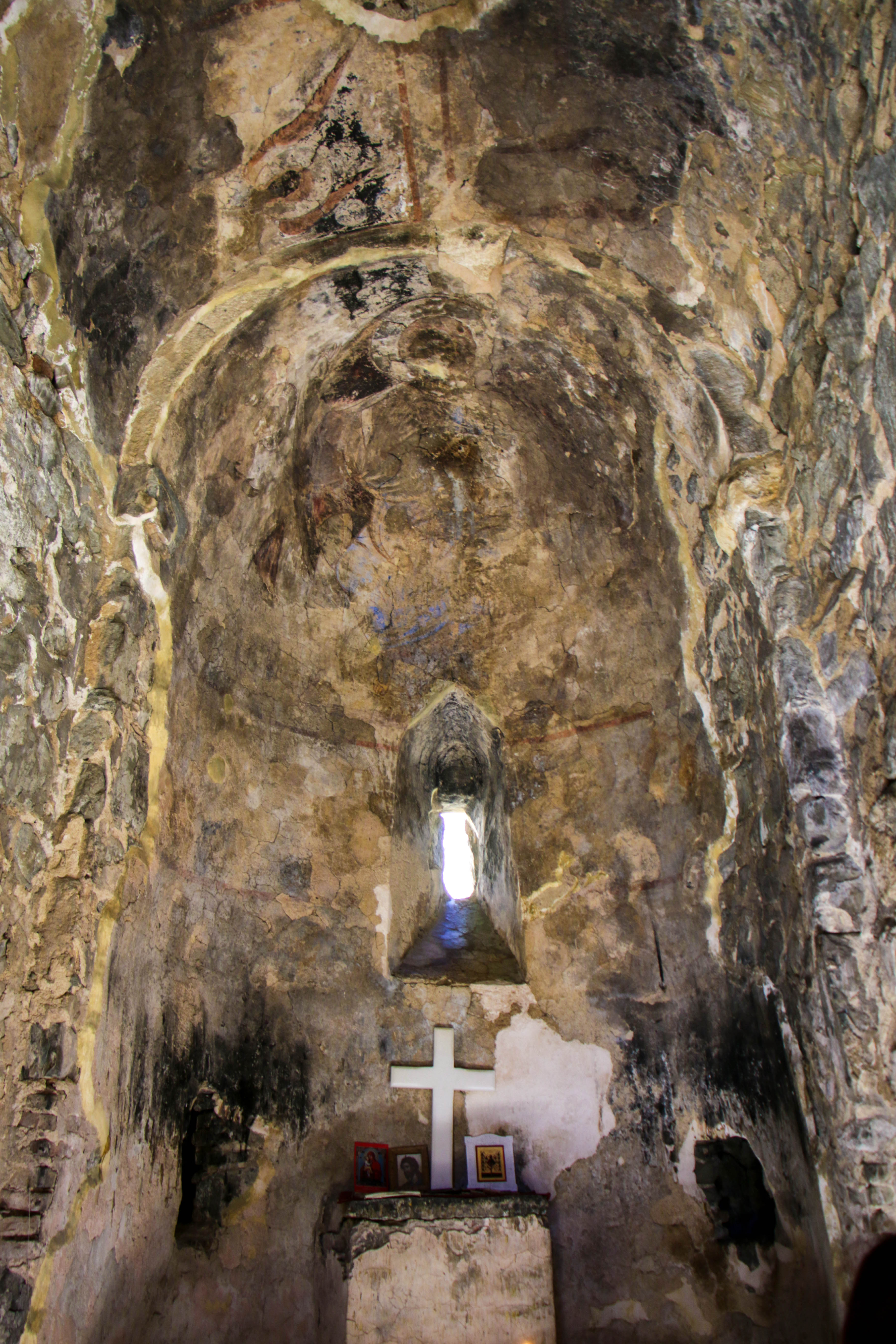
If one tries to visually reconstruct the now-faded frescoes, a palette of lilac-bluish and soft pink tones emerges. The painting is fluid and masterfully executed, with scenes of various sizes adorning the walls, like a carpet. The figures are rendered on a slightly enlarged scale, creating the impression that an angel, the Deesis in the sanctuary, or the Church Fathers might at any moment draw nearer, stepping forth from the walls. This is characteristic of 13th-century painting, a period in which mural art not only adhered to architectural frameworks, but also began to develop independently, gaining its own rhythm and sense of scale.
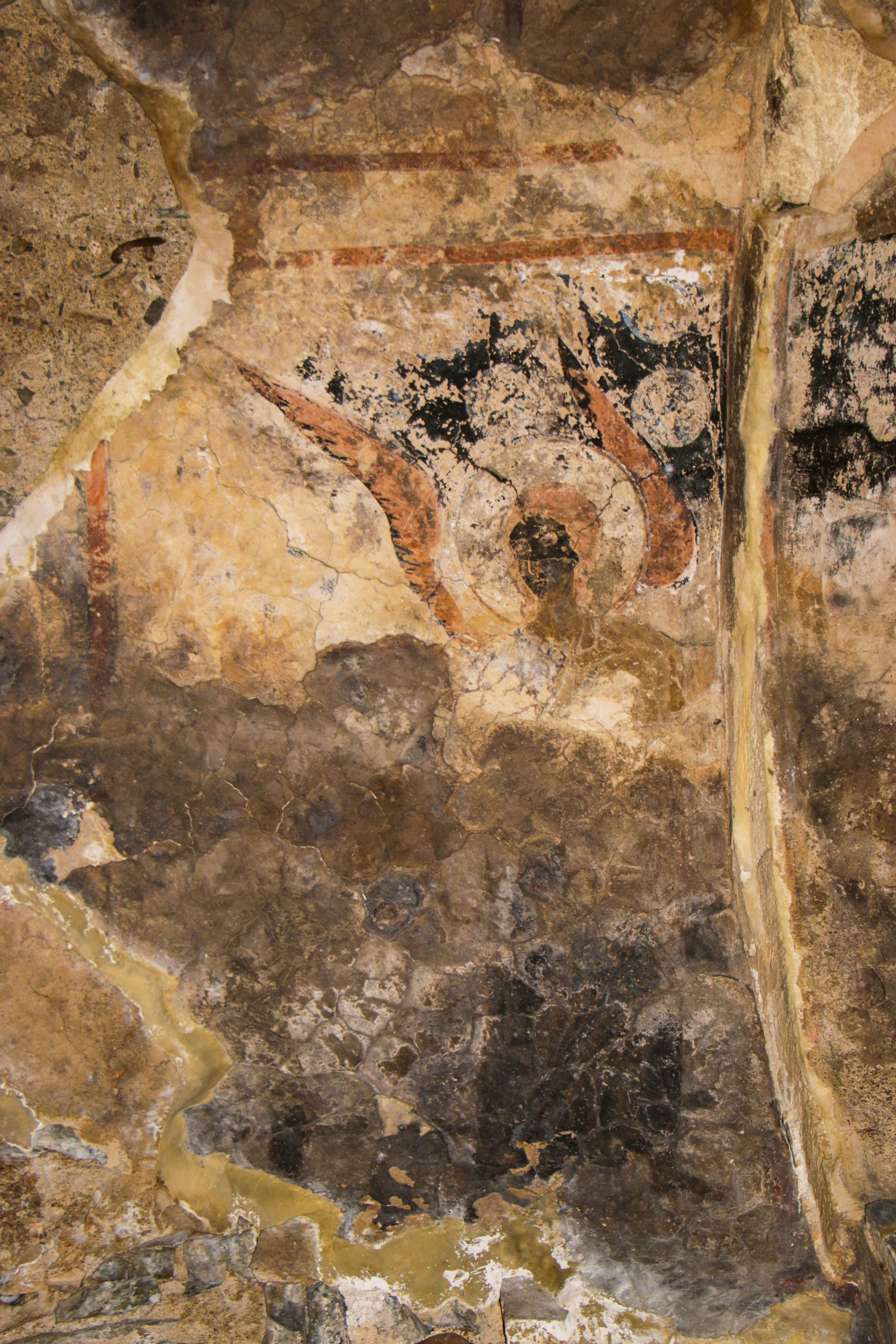
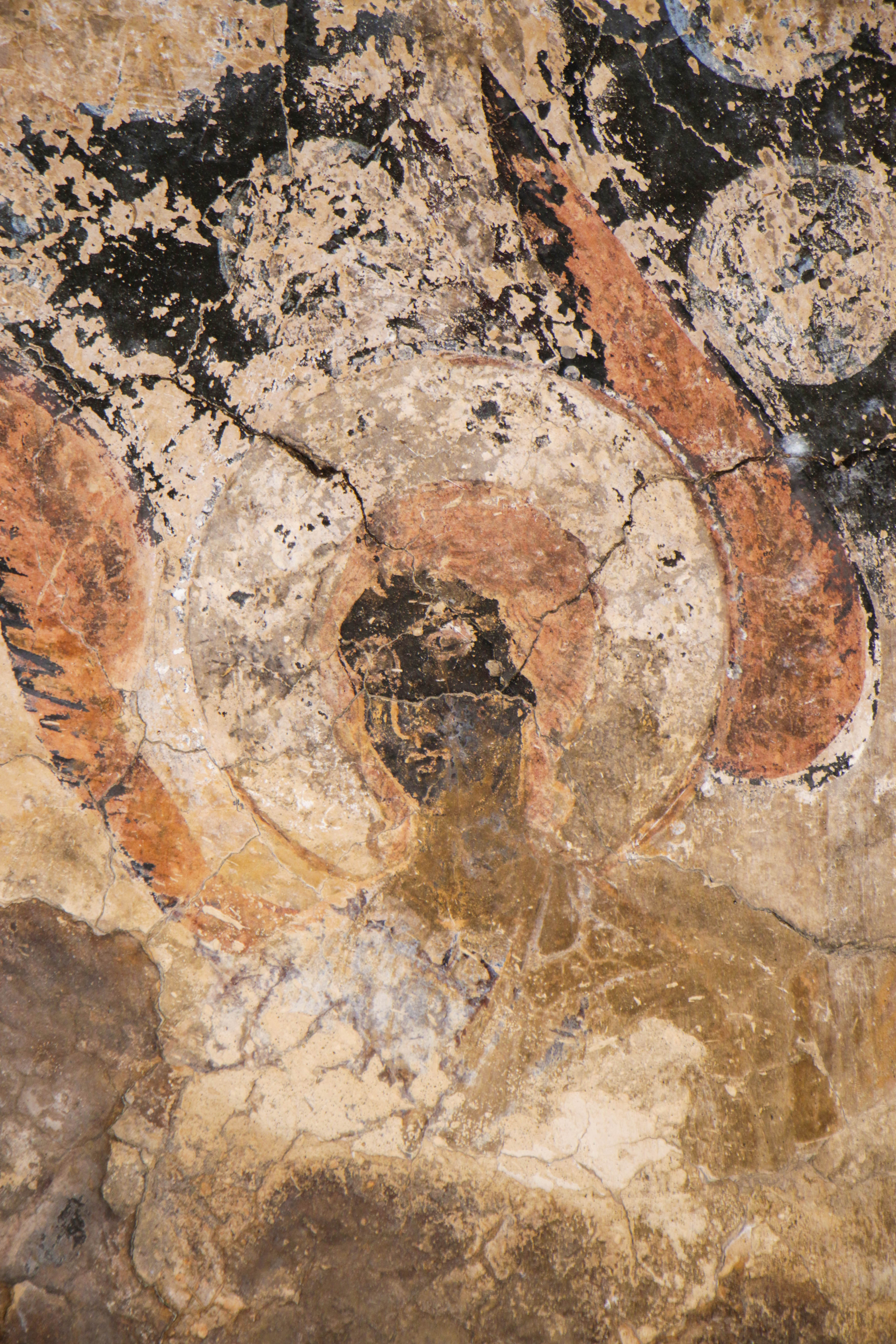
From the 18th century onward, repeated incursions by Lezgin raiders and an unfavorable political climate led to the depopulation of the Ateni Gorge. The Monastery of St. John the Baptist was likewise abandoned; left without care, it gradually fell into ruin. Deprived of its roof, the structure was exposed to rain and snow, which accelerated its deterioration. The western annex was likely split by an earthquake and collapsed into the ravine to the south. The northern section was buried under landslide debris, while the tiled roof was torn off by wind and eventually overgrown by vegetation. In the 1980s, the wall paintings were renovated, and, in 2010, the church was re-roofed.
In the 19th and early 20th centuries, the abandoned monastery was a place of quiet nostalgia and romantic reflection. New inscriptions appeared on its walls, written in dark ink or pencil, through which pilgrims addressed prayers to the Lord and to St. John the Baptist, asking for protection and assistance.
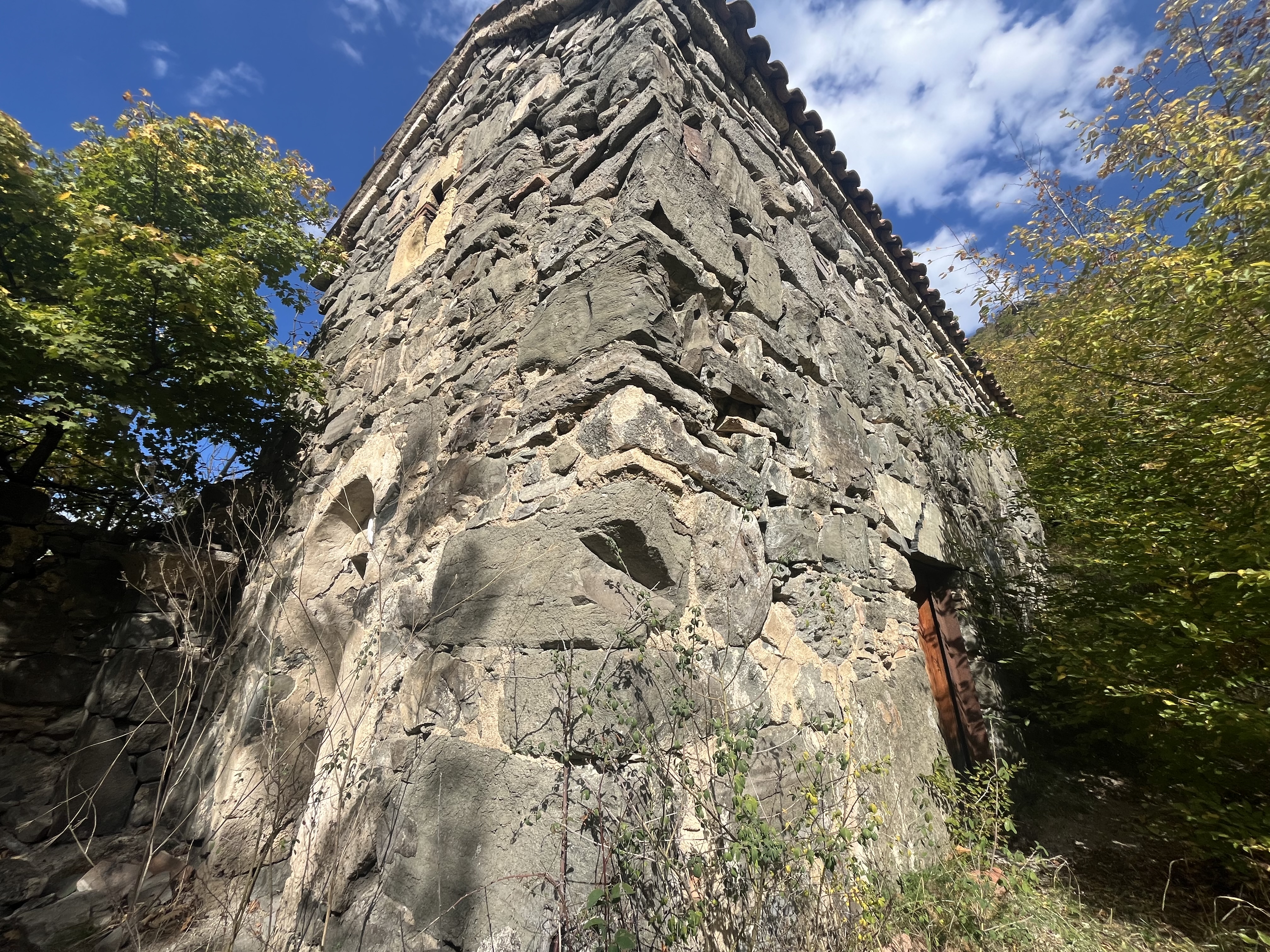
One such inscription, written in elegant calligraphy above the western wooden door, stands out from the rest. It belongs to Ioseb Davitashvili, a poet from the nearby village of Khidistavi, who collaborated with Ilia Chavchavadze’s newspaper Iveria and was associated with the Tergdaleulebi. The famous poet Niko Samadashvili also frequented this place; in his expressive poetry, Ateni Sioni, the Ateni Gorge, and the surrounding landscape occupy a significant place.
That sense of quiet romanticism endures there to this day.