






“Georgia has always been and must continue to be a country of bread and wine...”
- Ilia II, Catholicos-Patriarch of All Georgia, 2006
These words were spoken in a significant and historical context in December 2025, when UNESCO added “Georgian Wheat Culture: Traditions and Rituals” to the Representative List of the Intangible Cultural Heritage of Humanity. The decision to do so was made during the 20th Session of the Intergovernmental Committee held in New Delhi.
This significant event marked the culmination of nearly a decade of dedicated and tireless efforts by scientists, individual experts, farmers, and non-governmental organizations.
The story began as follows:
In 2016, the management of Grain Logistics Company LLC submitted a proposal to the National Agency for Cultural Heritage Preservation to initiate work related to Georgian wheat. At that time, several elements of Georgia’s intangible heritage had already received international recognition: Georgian polyphony, the traditional qvevri winemaking method, and the three types of the Georgian alphabet — all of which have played a decisive role in the formation of national identity and self-awareness.
Soon thereafter, Lali Meskhi, head of the Georgian Wheat Producers’ Association, joined the initiative, working with remarkable dedication and determination to protect Georgian wheat and promote its significance and potential both domestically and internationally.
In 2018, the intangible cultural heritage element Georgian Wheat Culture was officially recognized as a monument and granted national status. Preparations then began for its nomination to the UNESCO Intangible Cultural Heritage List.
The initial nomination proposed its inscription on the List of Intangible Cultural Heritage in Need of Urgent Safeguarding, a designation that would have required the state to undertake specific time-bound commitments and assume corresponding financial obligations.
In December 2020, under the constraints imposed by the Covid-19 pandemic, the nomination file on Georgian wheat, together with its supporting documentation, was examined online by the Intergovernmental Committee. It was subsequently returned to the state for revision, accompanied by detailed comments and recommendations.
Implicit within the documentation was the aspiration of triticologists, ethnobotanists, and plant breeders to bring Georgian endemic wheat varieties to international attention, to promote their restoration, and to ensure their long-term safeguarding. This ambition was entirely understandable: by that time, Georgian wheat survived in only a handful of private collections. Many agricultural practitioners regarded it as uncompetitive due to its relatively low yield — a view already prevalent in Soviet Georgia.
Such an approach, however, did not fully align with the objectives of the 2003 Convention for the Safeguarding of Intangible Cultural Heritage.
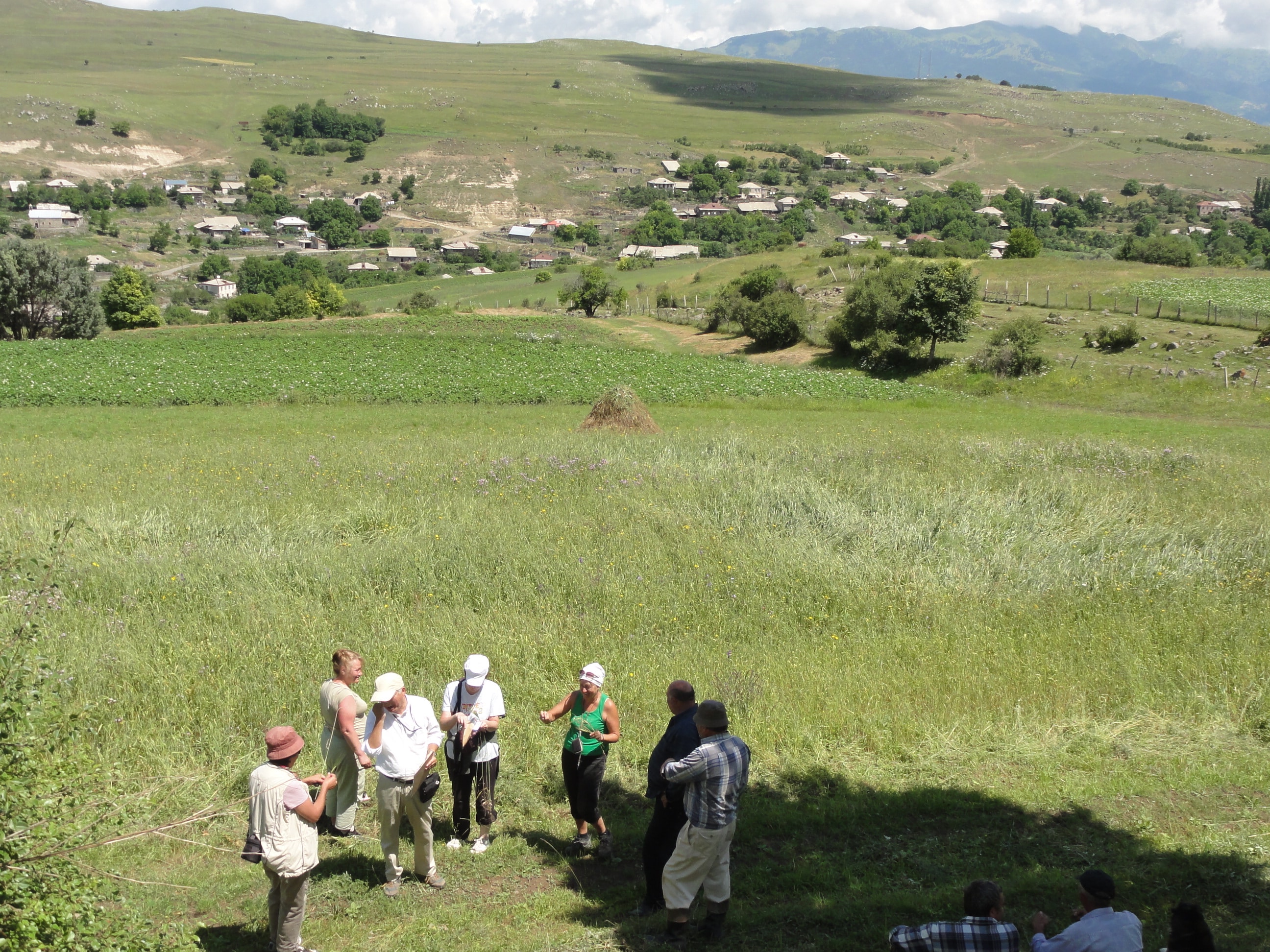
The next phase of work proved considerably more productive. The focus on Georgian wheat sparked interest among wheat farmers, governmental and non-governmental organizations, as well as entities involved in the tourism industry. Ethnologists joined the process, and numerous field expeditions were conducted across the different regions of Georgia. Local and international scientific conferences were organized in various parts of the country. Farmers began cultivating local wheat, and small entrepreneurs revived traditional bread-baking practices.
The results were soon evident: “Georgian Wheat Culture: Traditions and Rituals” was successfully inscribed on the UNESCO Representative List.
The ancient roots of Georgian wheat
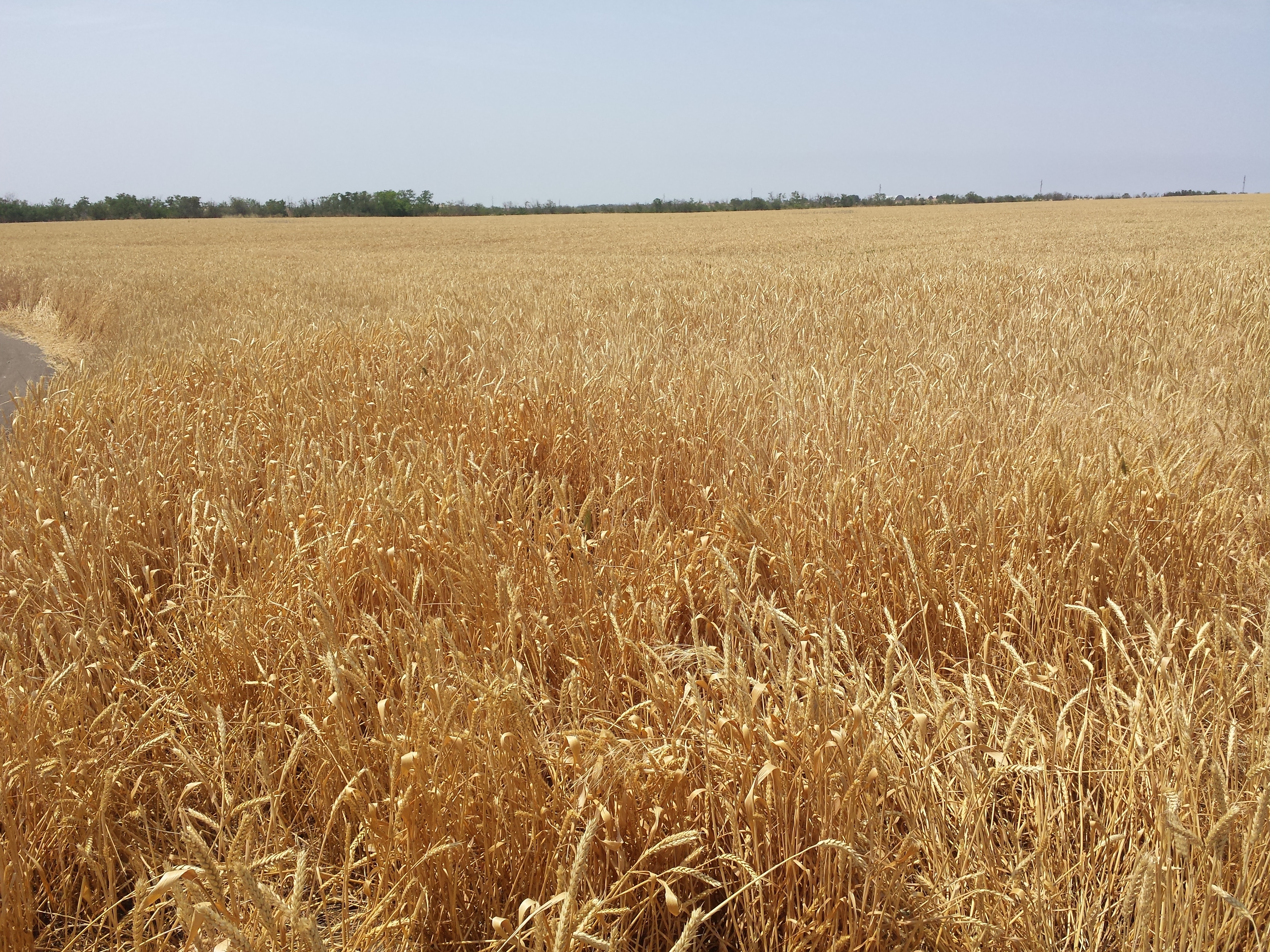
The modern recognition of Georgian wheat culture is a continuation of a tradition that stretches back millennia. The history of wheat cultivation in Georgia dates to prehistoric times — a fact hardly surprising, given that diverse species of wild wheat grew naturally across its territory. Early agricultural communities selected the most viable grains, domesticated them, and began baking bread at a very early stage of cultural development.
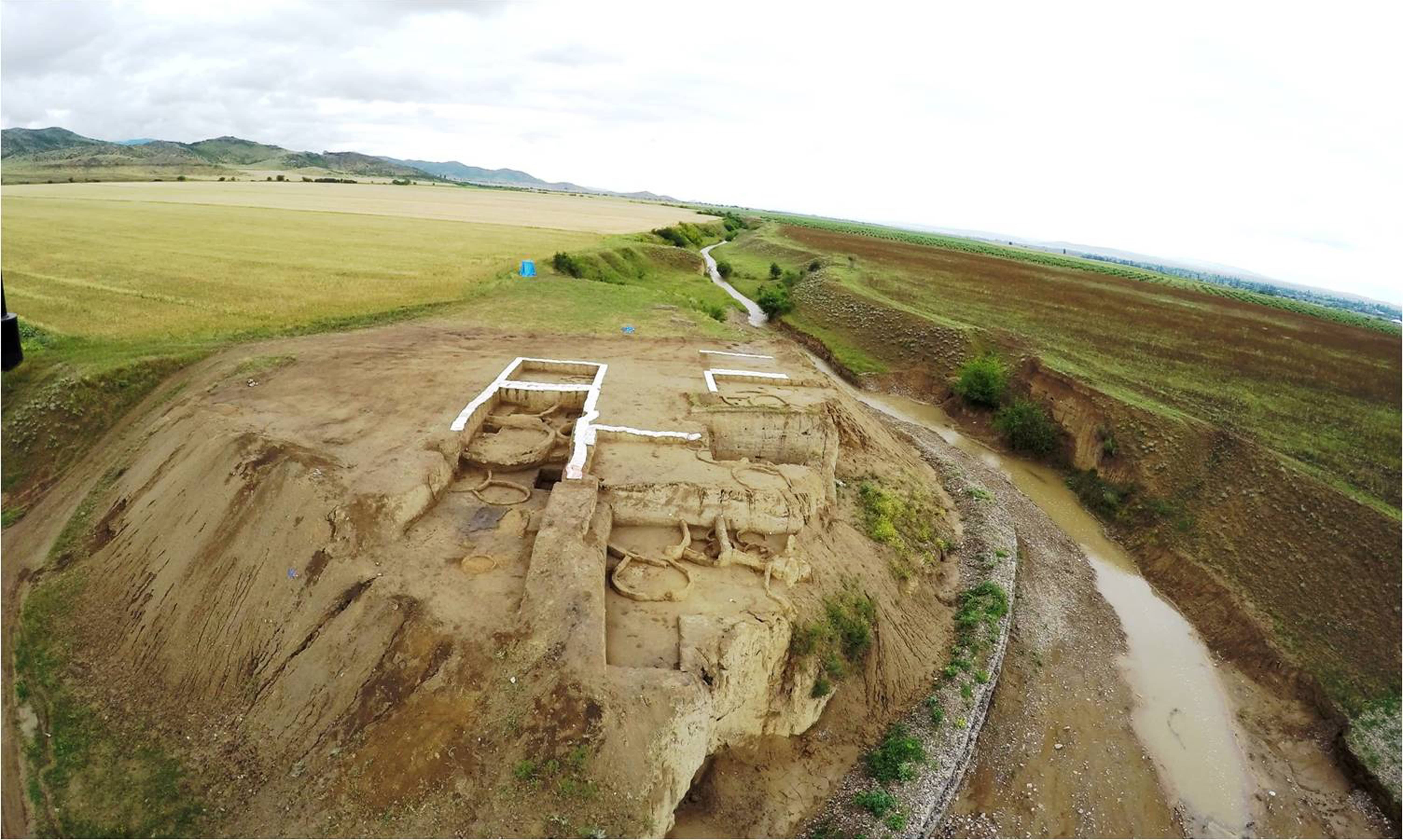
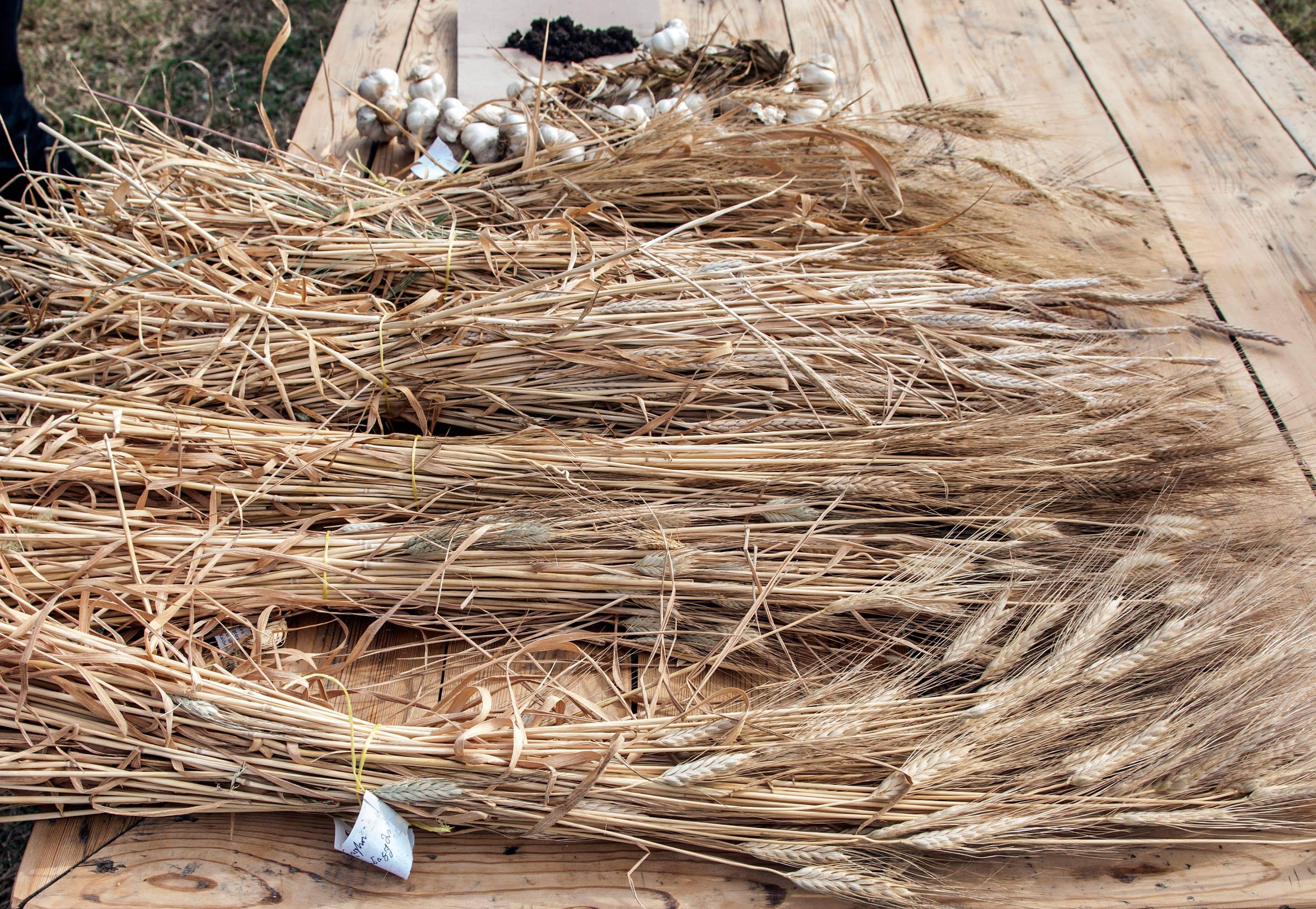
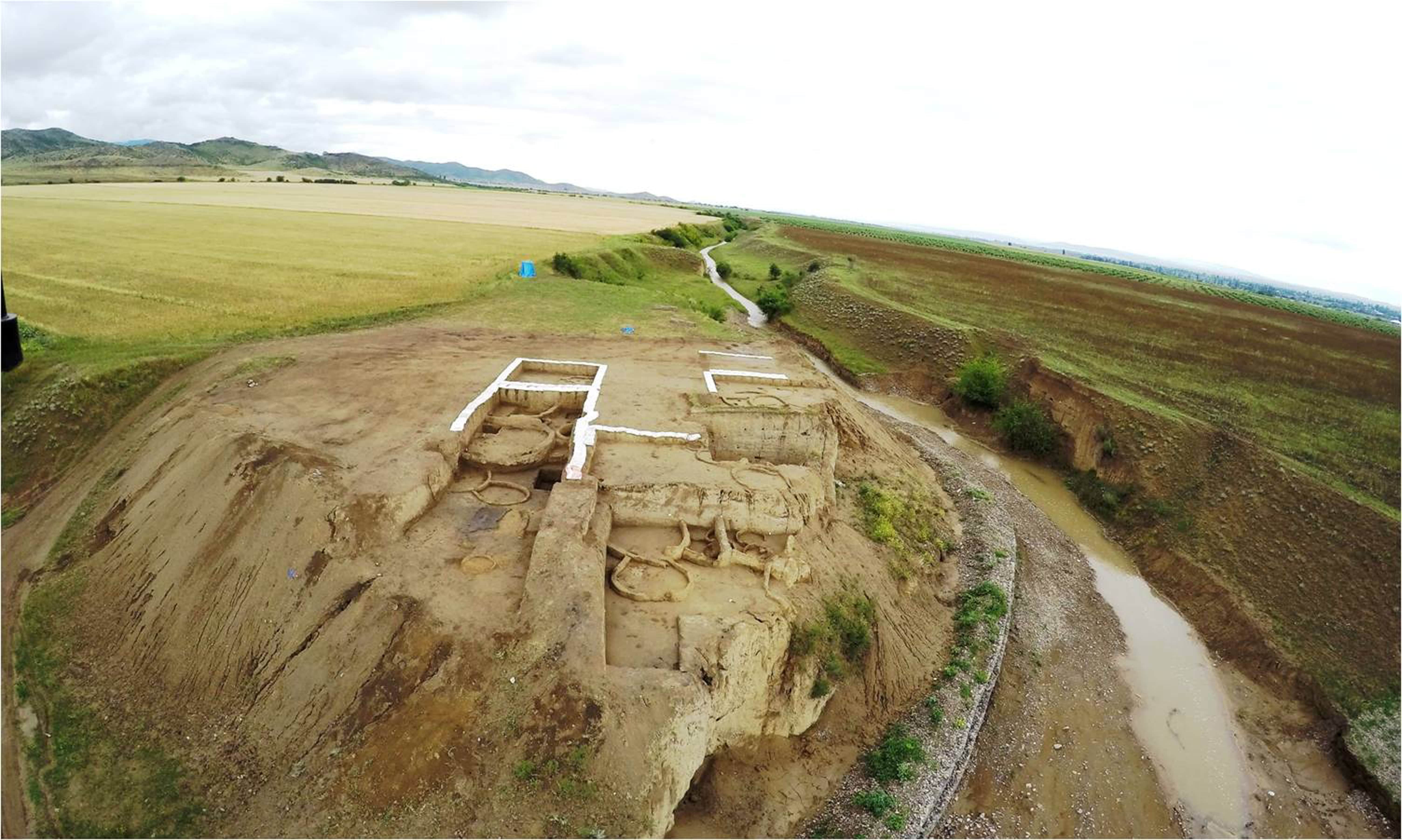
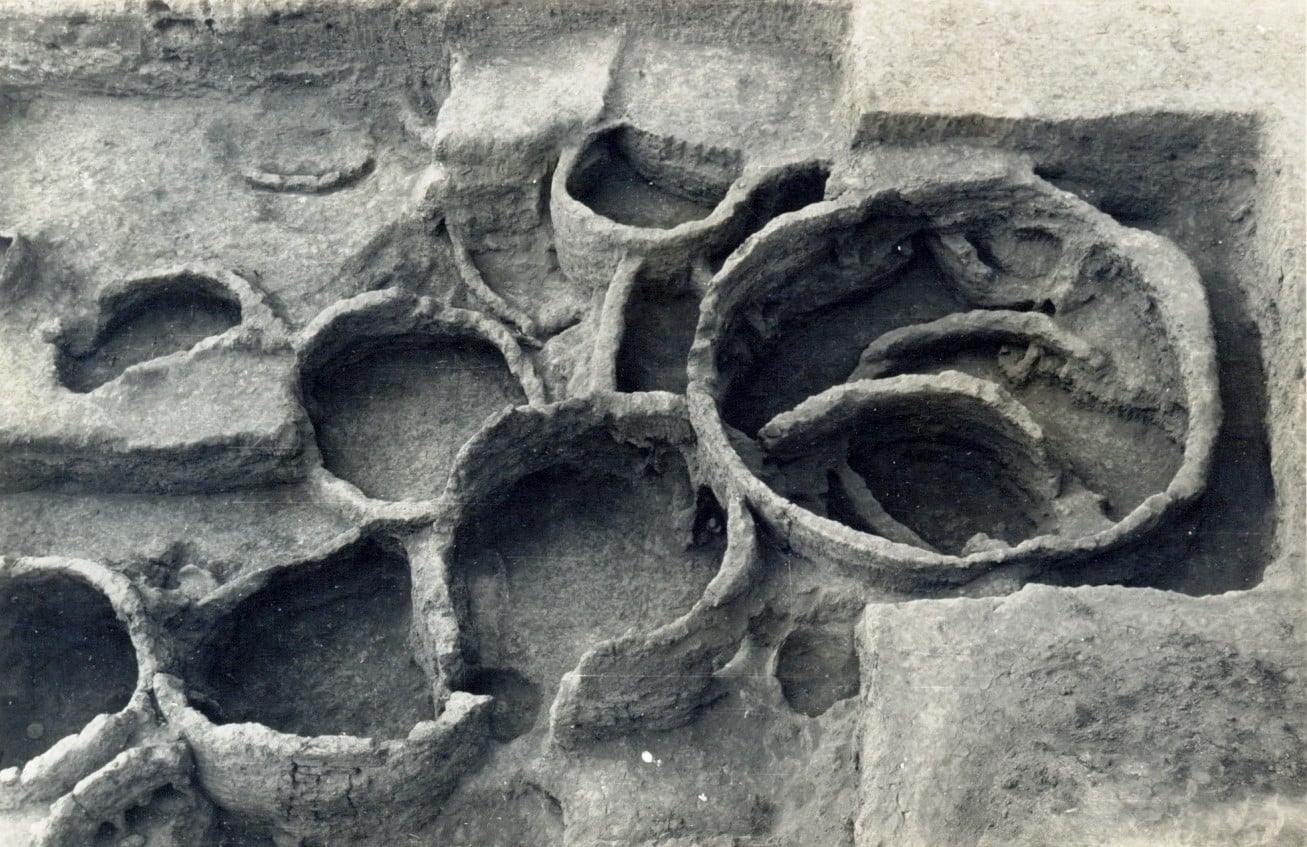
Archaeological evidence indicates that the continuous tradition of cultivating and using wheat extends back more than 8,000 years. At Neolithic sites dating to the seventh–sixth millennia BC — including Arukhlo, Shulaveri, Khrami Didi Gora, and Gadachrili Gora — researchers have identified nine varieties of cultivated wheat, among them bread wheat. Some of these ancient varieties are still grown today, including Makha, Dika, and Doli.
Of the twenty-five wheat species recognized worldwide, fifteen are found in Georgia, five of which are endemic. Zanduri and Makha are regarded by scholars as a biological bridge between wild wheat and its modern cultivated forms.
Wheat and traditions
For Georgians, wheat has never been merely a source of sustenance. It served as a measure of time, a foundation of communal unity, and a constant companion throughout the human life cycle — from birth to death. Bread, inseparable from daily labor, also embodied a spiritual order.
Wheat was cultivated across nearly the entire territory of Georgia. Agricultural techniques were adapted to local environmental and soil conditions, yet one principle remained universal: every household in the village should have bread. Plowing, sowing, and harvesting were therefore regarded as collective responsibilities. The sharing of seed grain and the passing on of a portion of sourdough bound the village into a cohesive and resilient community. It was believed that as long as a community retained its own seed, it could not be overcome by any enemy.
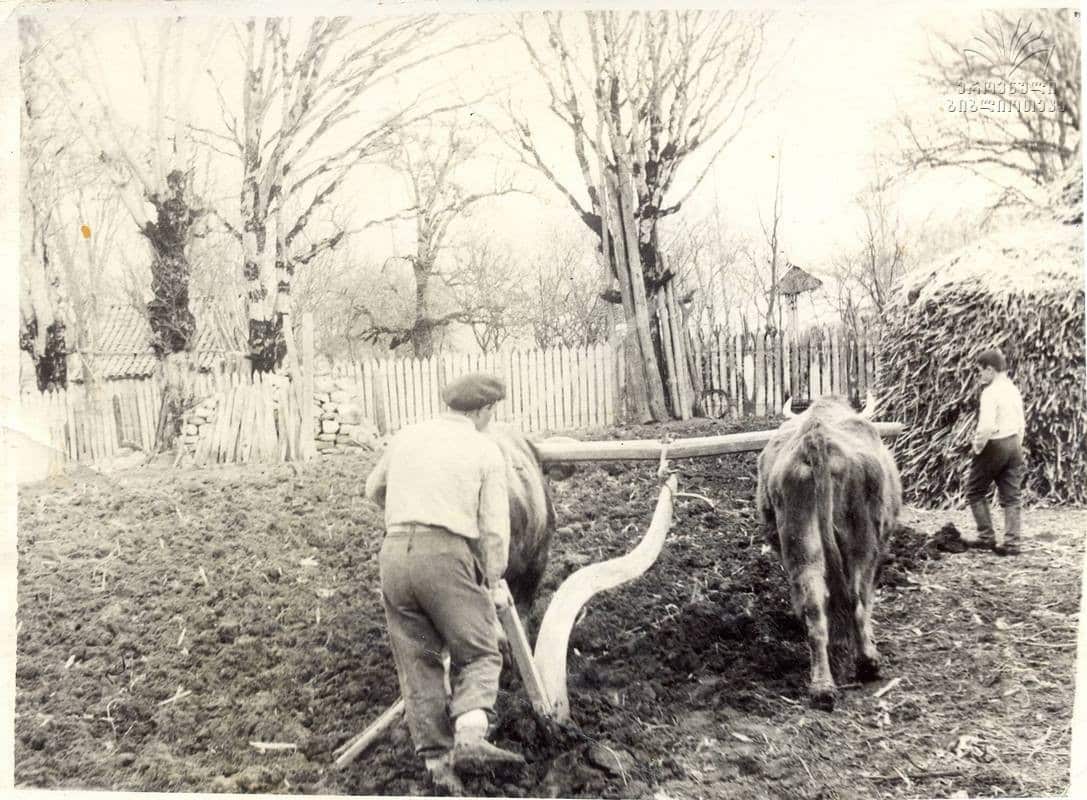
The time of sowing and harvesting was determined according to the phases of the moon. The first furrow was marked by a special ritual. Ritual bread baked during the waning moon for ceremonial purposes, accompanied by a candle, wine, and prayer, was believed to bless the coming harvest. In different regions of Georgia, such ritual breads bore various names: Basilebi, Kirinеbi, Kokrebi, and Bedis Kverebi.
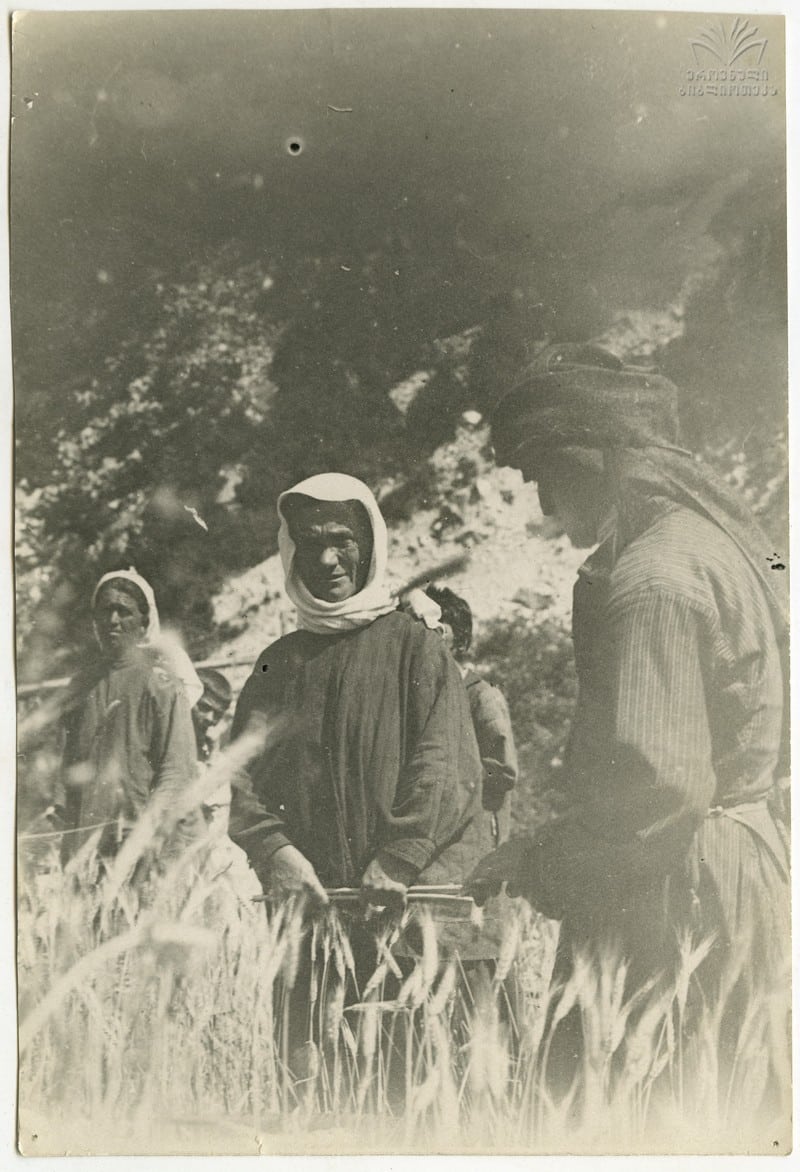
Mutual assistance was essential at every stage of wheat cultivation. Across the country, this practice was known by different names: mamitadi, nadi, alooba, or ulami — all referring to forms of collective agricultural labor. The wheat field was regarded as a sacred space, and violation of its customary rules was punished by the unwritten laws of the community.
The tradition of baking ritual bread for both secular and religious celebrations remains even today. Among them are Lamzirebi, Khabizginebi, and Kadebi. The region of Meskheti is particularly renowned for its rich variety of breads: lavash, shoti, kakala, chatsekili bread, and khmiadi continue to form part of both ritual practice and everyday family life.

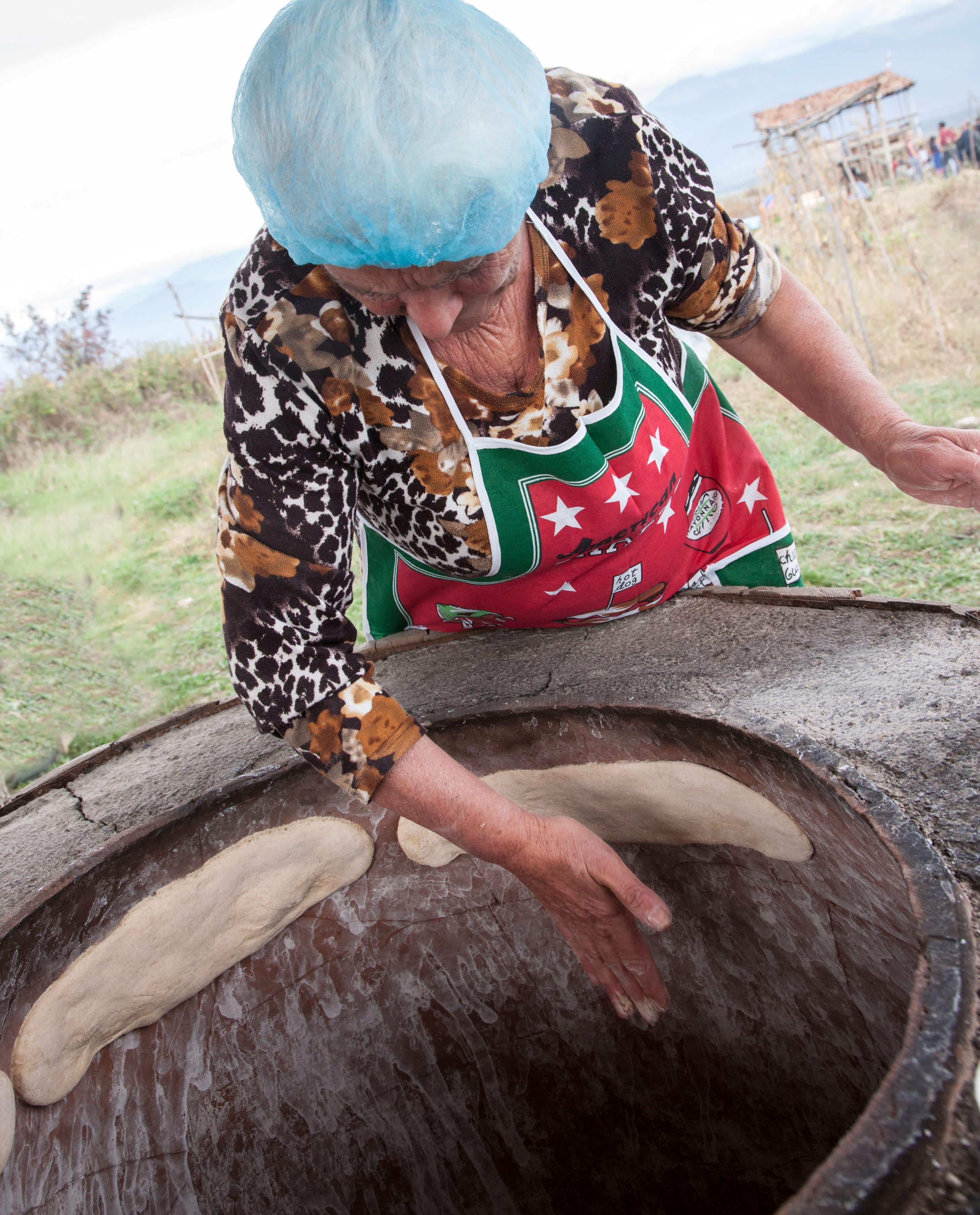
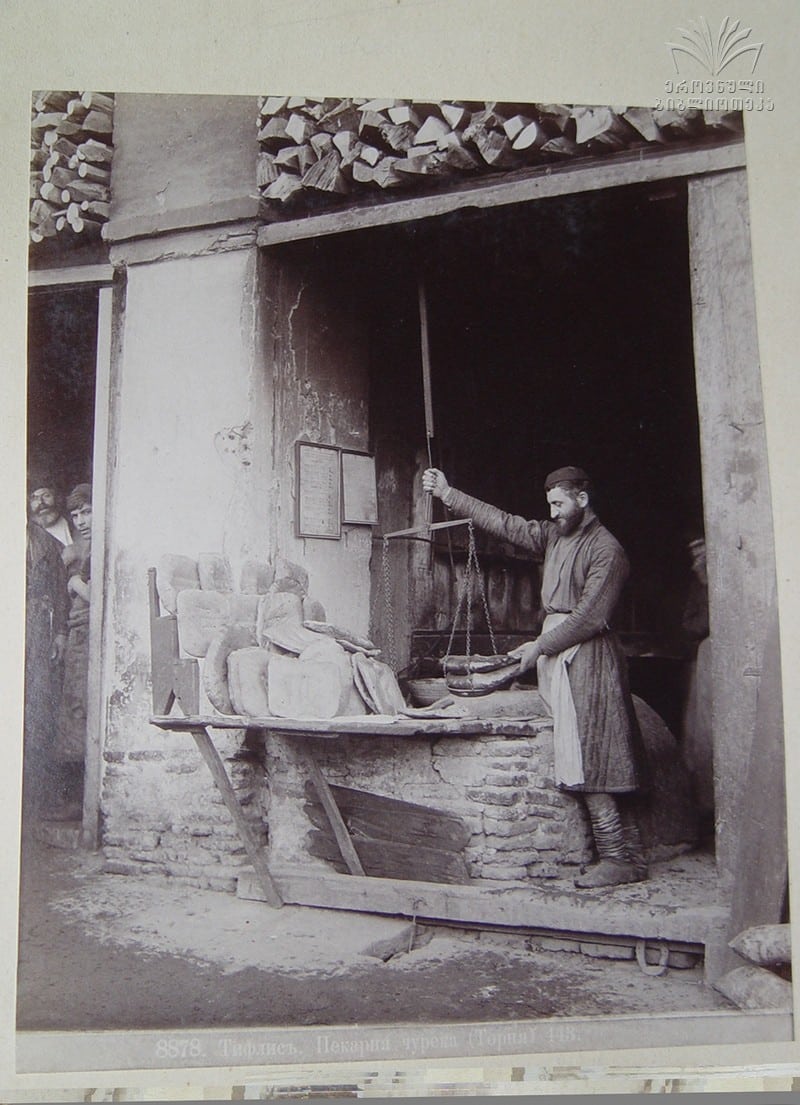
Different regions of Georgia have preserved their own distinctive bread-baking traditions. In eastern Georgia, the traditional tone (tandoor), a clay oven heated with wood, is widely used; bread baked on glowing embers within the oven acquires a distinctive aroma. In southern Georgia and certain other regions, stone or brick ovens are more commonly used.
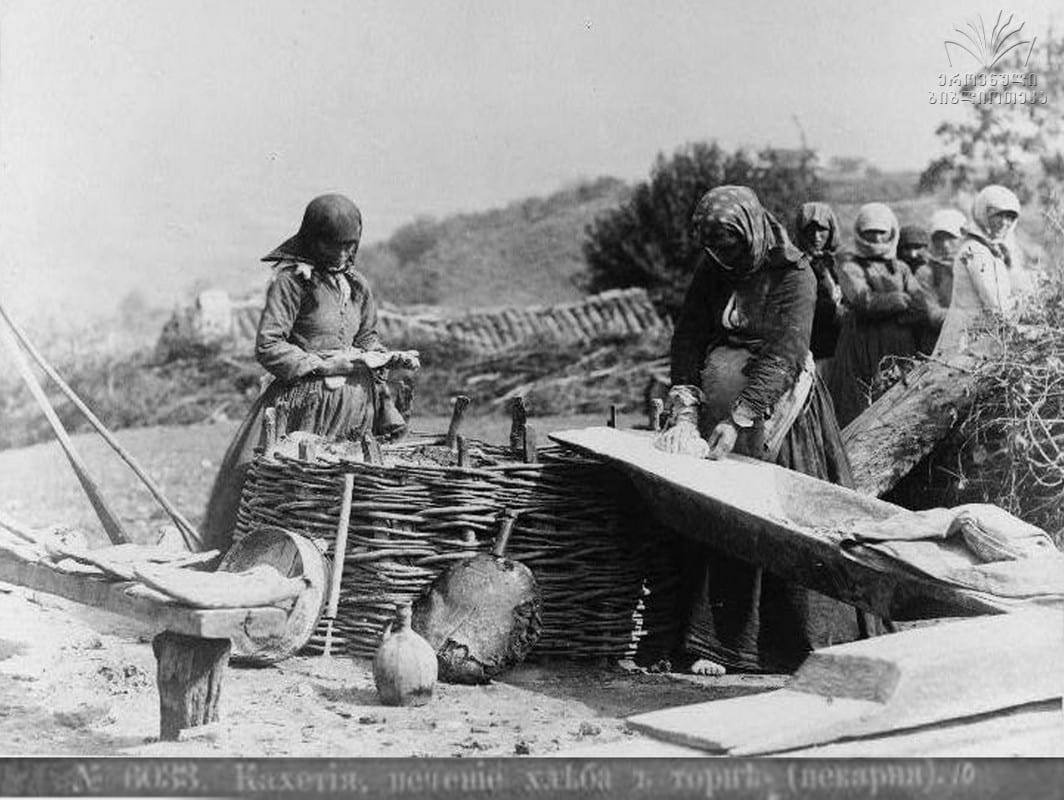
In some villages, the custom of communal baking has survived. In a single household’s heated tandoor, or oven, bread for neighboring families may also be baked. On such occasions, bread-making once again becomes a shared activity, sustaining long-established forms of social cohesion.
Conclusion
The unique and invaluable heritage of Georgian wheat, which stood on the brink of extinction only a few decades ago, has now been revitalized and restored to active cultivation. Its inscription on the UNESCO Intangible Cultural Heritage List represents not only the restoration of historical justice, but also a significant step towards its broader international recognition and long-term protection.
This recognition has clearly demonstrated that Georgian wheat is not merely an agricultural crop, but a living cultural practice enriched by traditions, knowledge systems, and social relationships. Its safeguarding and promotion have contributed not only to the preservation of endemic wheat varieties, but also to the revitalization of the agricultural and bread-baking traditions associated with them.
At the same time, recognition entails responsibility. It obliges us to preserve the knowledge and customs linked to wheat, to ensure their continuous transmission to future generations, and to strengthen our connection to the land, to bread, and to one another. The journey of Georgian wheat is not a completed story; it continues in the hands of those who nurture and sustain this living heritage with care and dedication.